London Underground History Tour: Roman, Medieval and Victorian London by Tube
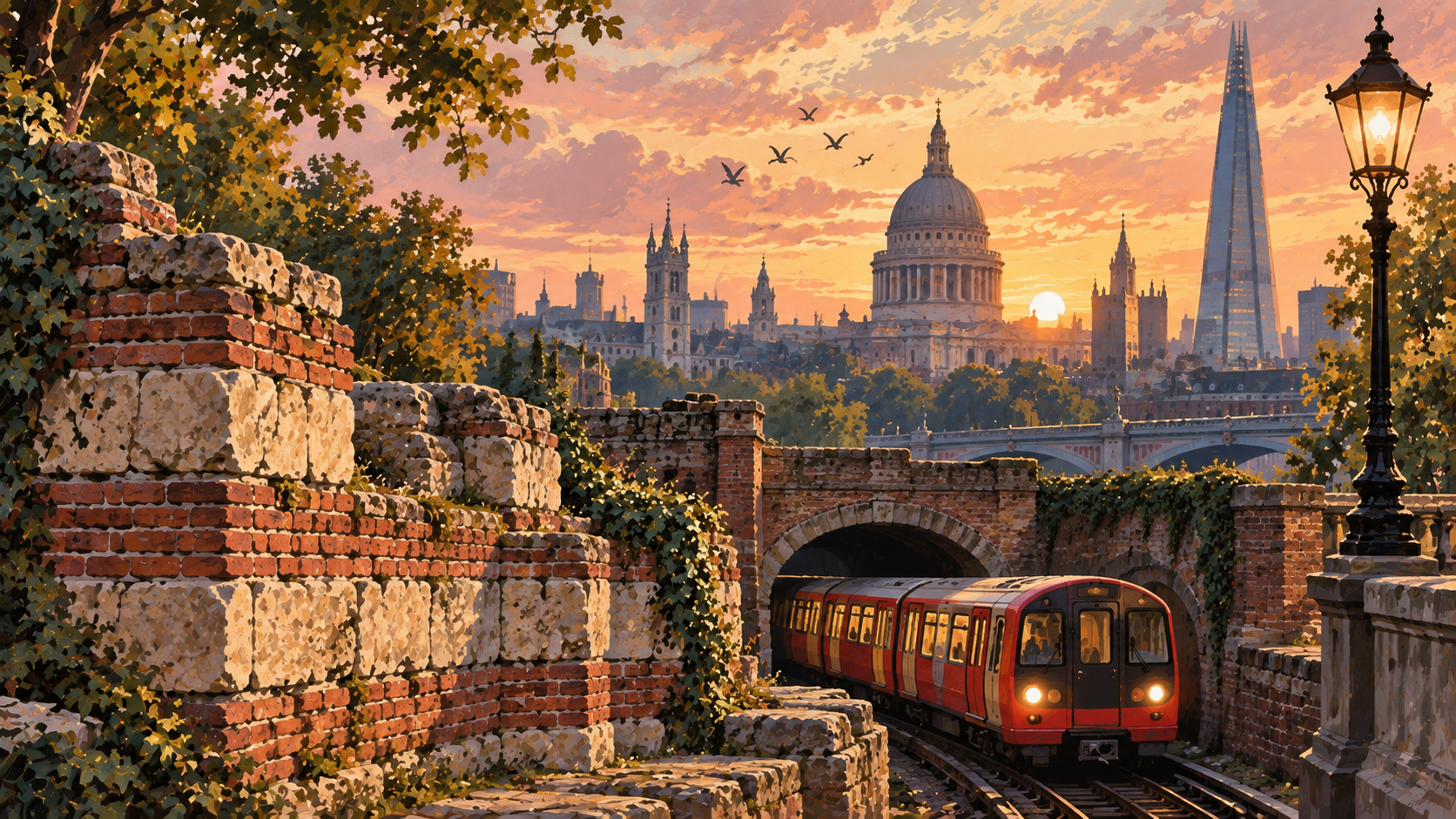
Few cities let you time-travel on public transport. But a London Underground history tour does exactly that — three Tube stops, three eras, one day ticket. Start at Tower Hill for Roman Londinium, walk through Barbican’s medieval streets, and finish among Victoria’s Victorian grandeur. Here’s exactly how to do it.
Roman London by Tube: What to See at Tower Hill
Step out at Tower Hill station and you’re walking in the footsteps of Roman soldiers from nearly two thousand years ago. The most spectacular remnant of Roman Londinium stands right beside the platform exit: a stretch of the original London Wall, the defensive structure that once encircled the ancient city. Built around 200 AD, its alternating layers of limestone and red tile are still visible today, a rare, freely accessible piece of Roman engineering right in the middle of the modern City.

A short walk away, beneath the heart of the City, lies the London Mithraeum — a remarkably preserved Roman temple that offers a genuine window into the religious life of Roman London. Entry is free, though timed tickets should be booked ahead online.

Nearby on the Tube: Tower Hill sits on the Circle and District lines, making it an easy add-on to a City of London day out. If Roman ruins are your thing, the London Underground’s ghost stations and secret history makes a good companion read — several of the disused stations sit almost directly above Roman-era streets.
Medieval London by Tube: Barbican’s Time-Worn Treasures
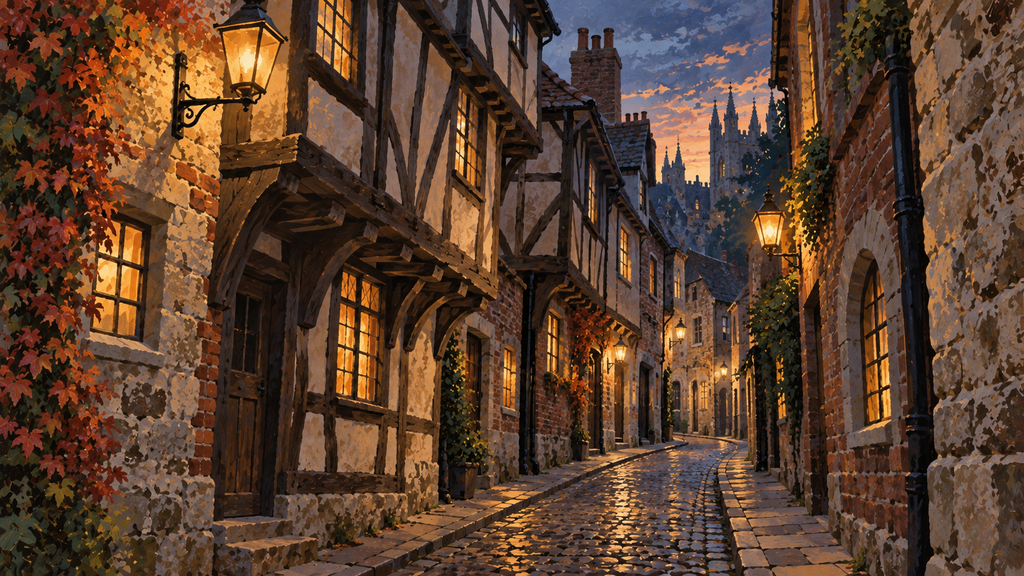
Emerging from Barbican station, you’re in a district where medieval London’s heartbeat still echoes through the centuries. St Bartholomew-the-Great, founded in 1123, is London’s oldest surviving church — its weathered stone arches have seen nine centuries of continuous worship.
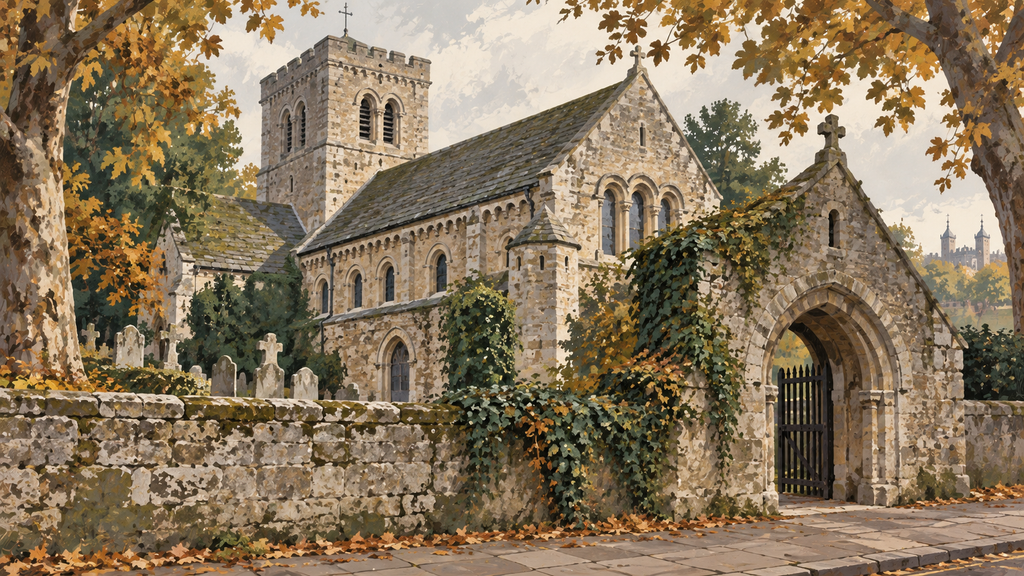
Nearby, the narrow lanes of Cloth Fair preserve their medieval street dimensions, once home to the merchants who made their fortunes at the raucous Smithfield Market next door. For a deeper dive, the Museum of London’s medieval gallery brings the city’s turbulent middle ages to life through artefacts recovered from beneath the very streets you’ve just walked.
Nearby on the Tube: Barbican is on the Circle, Hammersmith & City and Metropolitan lines. If you’re building a longer day out, pair this stop with Bethnal Green: East London’s Cultural Quarter or a stop at King’s Cross & St Pancras on the way back.
Victorian London by Tube: Victoria Station’s Regal Surroundings
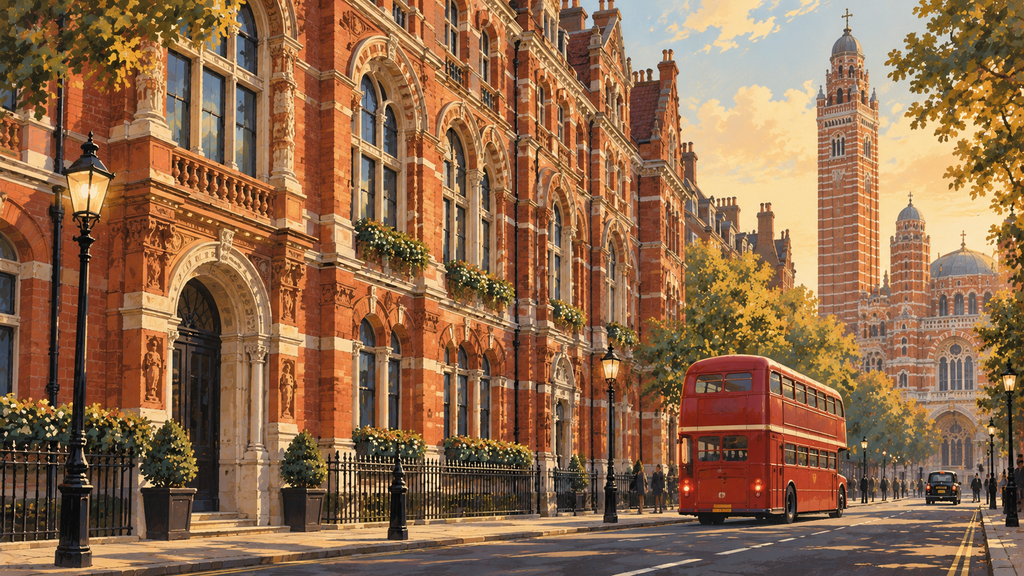
Victoria station is your gateway to a concentration of Victorian architectural splendour. Buckingham Palace, reached its current cream-façade form during Queen Victoria’s reign — the era’s confidence in built form. Walk down Victoria Street to see the red-brick and terracotta Army & Navy Store, a striking example of Victorian commercial architecture, and don’t miss Westminster Cathedral: completed in 1903 but conceived in the Victorian era, its Byzantine-inspired design reflects the period’s fascination with exotic styles.
Nearby on the Tube: Victoria sits on the Circle, District and Victoria lines. This stop pairs naturally with the Tube zones and fares guide if you’re planning a multi-stop day, and with the Most Beautiful Tube Stations if Victorian and Edwardian station architecture is your particular interest.
Planning Your Underground History Tour
Each of these three stations is more than a stop on the Tube — it’s a portal to a different chapter of London’s history. For the best experience:
- Start early at Tower Hill, to see the Roman wall in good morning light before the City fills up.
- Progress chronologically: Tower Hill (Roman) → Barbican (medieval) → Victoria (Victorian). It also happens to work well geographically via the Circle line.
- Book ahead for the Mithraeum — entry is free, but timed slots go quickly.
- Budget half a day if you want to properly explore each stop rather than rush between them; a full day if you’re adding in the Museum of London.
Whether you’re a history enthusiast or just curious about what’s beneath London’s streets, this Underground history tour covers nearly two thousand years of the city’s story — all on a single Oyster or contactless tap.