London Underground Ghost Stories: The Tube’s Most Haunted Stations
Beneath the everyday shuffle of commuters and tourists, the London Underground carries a reputation that has nothing to do with delays or engineering works. Opened in 1863, the Tube is old enough, deep enough, and strange enough to have collected more than a century and a half of ghost stories — and Londoners have never quite stopped telling them.
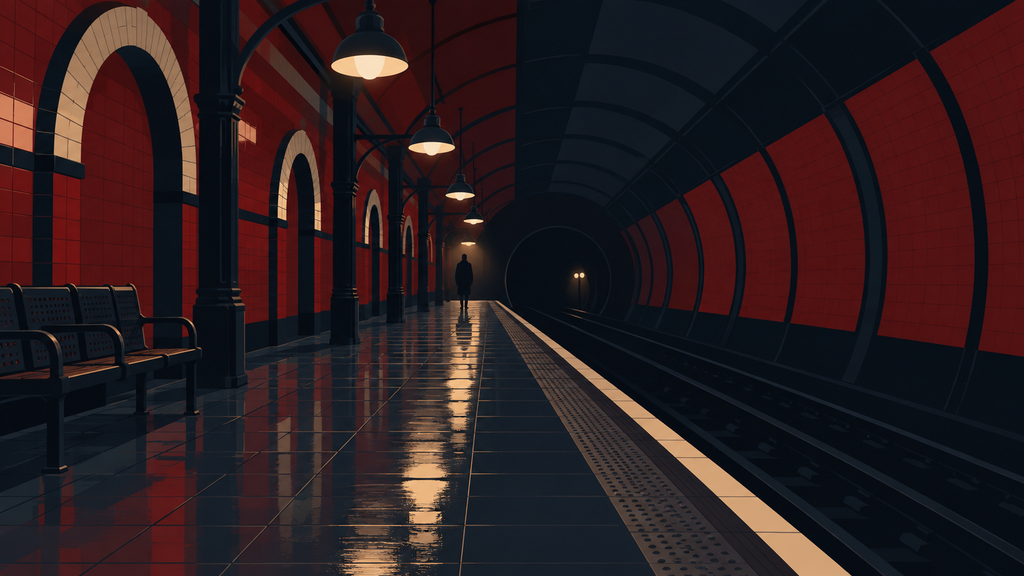
Some of these tales trace back to real tragedies. Others have simply grown in the telling, passed between night-shift staff and late commuters until fact and folklore blur together. Either way, the next time you’re waiting on a platform a little longer than you’d like, here are the stories worth knowing.
The Black Nun of Bank Station
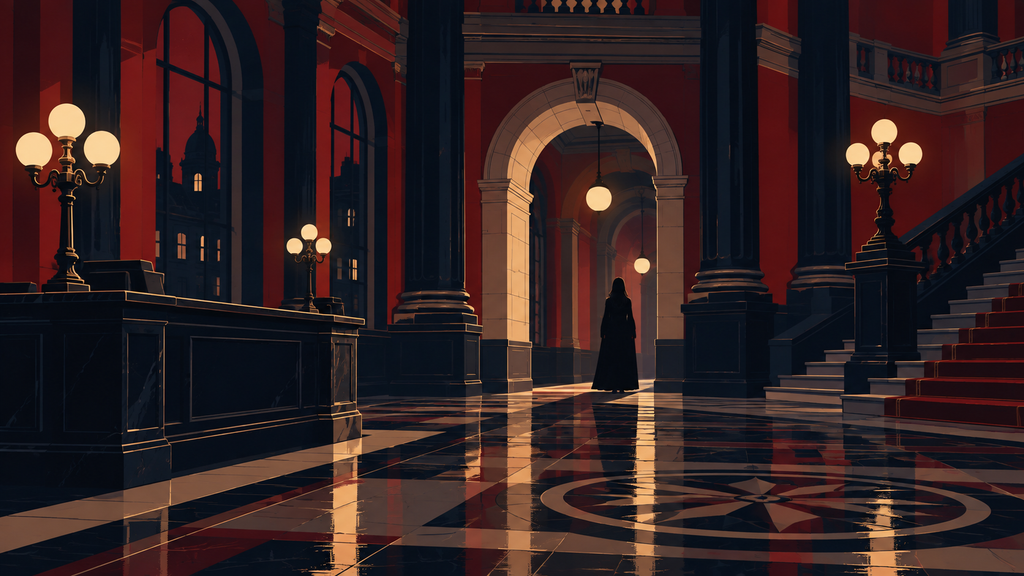
Bank is one of the busiest interchanges on the network — Central, Northern, Waverley, DLR — and also home to the Tube’s best-known ghost. The story goes back to Sarah Whitehead, whose brother Philip worked at the Bank of England next door until he was executed for forgery in the early 1800s. Grief reportedly unravelled her, and for years she returned to the bank daily, dressed in mourning black, asking after a brother who was never coming back. Staff and commuters have since described a solitary woman in black glimpsed in the station’s quieter corners — always turning a corner, never quite catching up.
The History of the London Tube Map: How Harry Beck’s Design Changed the World
The Screaming Ghost of Farringdon Station
Farringdon has a reputation for the most unsettling kind of haunting: sound rather than sight. The story is tied to Anne Naylor, a young apprentice murdered by her employer in 1758, long before the Tube existed. Generations of station staff have reported piercing screams echoing through the tunnels at odd hours — usually explained away as train noise, brakes, or wind through the tunnel, except that the sound has been described consistently enough, by enough different people, to keep the legend very much alive.
The Vanished Worker of South Kensington
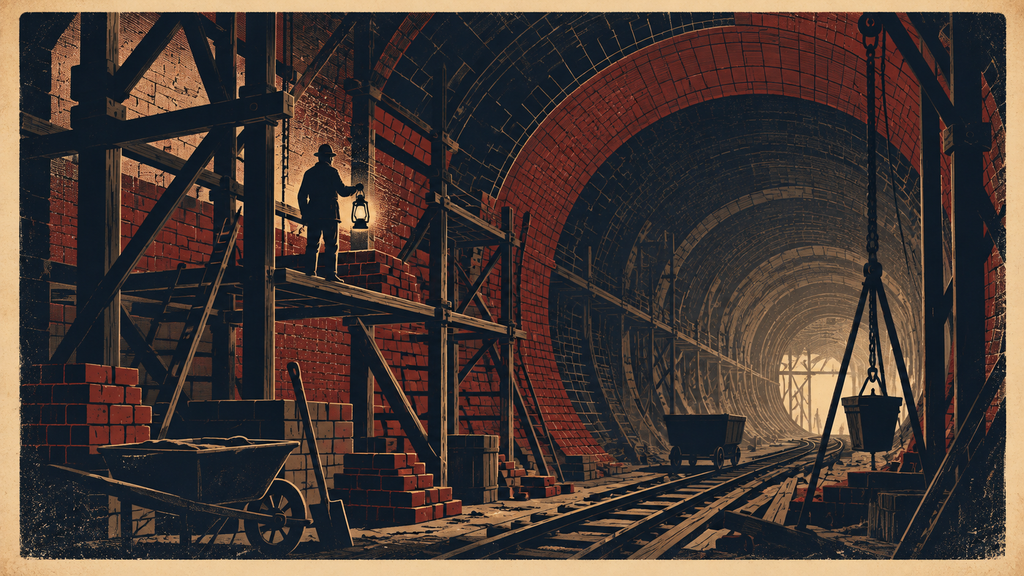
South Kensington’s ghost story is a quieter one. During the station’s construction in the late 1800s, a labourer is said to have gone missing on-site — his body never recovered, his name lost to the record. The legend holds that his spirit still walks the tunnels in Victorian work clothes, and that staff have occasionally reported an unexplained cold draft in the same stretch of passageway, even in the height of summer.
Phantom Trains on the Line
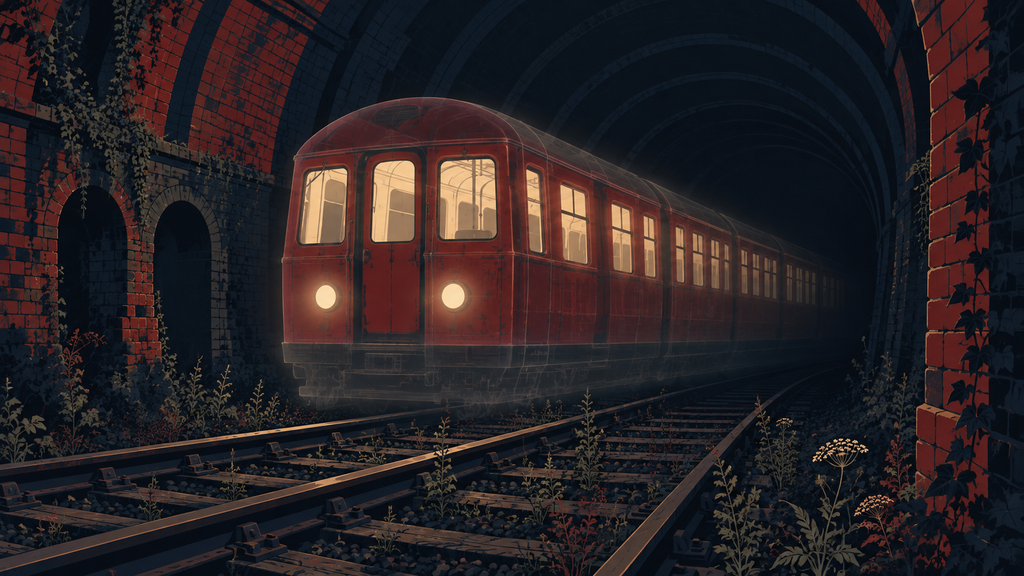
Ghosts aren’t limited to people. The Underground has its own folklore of phantom trains — fully lit carriages seen gliding along disused or little-used stretches of track before vanishing without a trace. The most cited sighting involves a workman’s train from the 1960s, reportedly still seen (and heard) on parts of the Northern line late at night, long after any such service should exist.
London Underground Trivia: Fun Facts and Surprising Secrets
Lost Tunnels and the British Museum Mummy
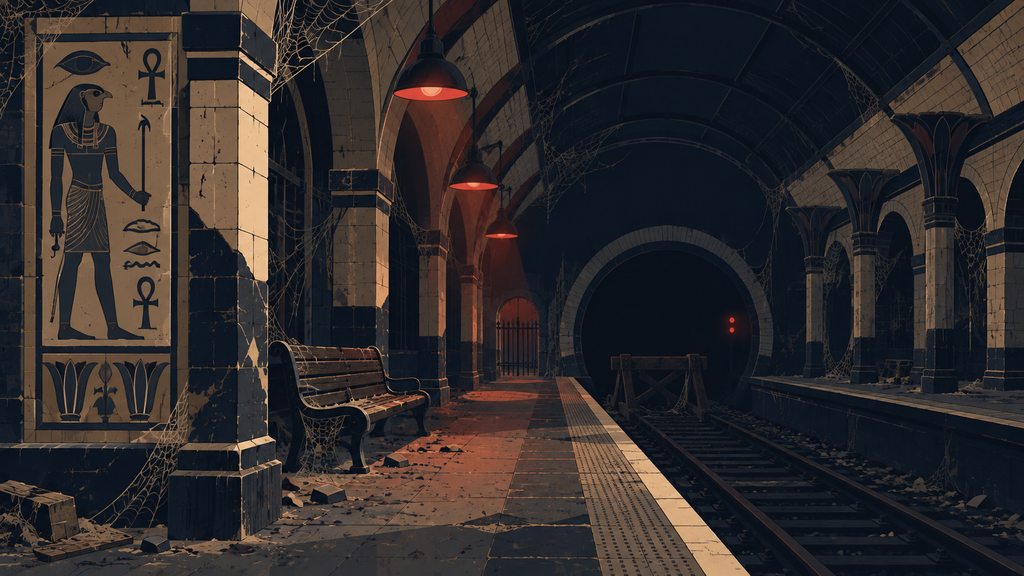
Beyond ghosts of people and trains, the Tube’s disused tunnels and abandoned stations have generated their own mythology — rumoured wartime bunkers, secret connecting passages, and buried treasure among them. The most famous is British Museum station, closed since 1933, which sat close to the museum’s Egyptian collection. The legend claims the closed platforms are haunted by the spirit of an ancient Egyptian mummy, complete with reports of strange noises and unexplained sightings in the area above.
Why the Underground Keeps Producing Ghost Stories
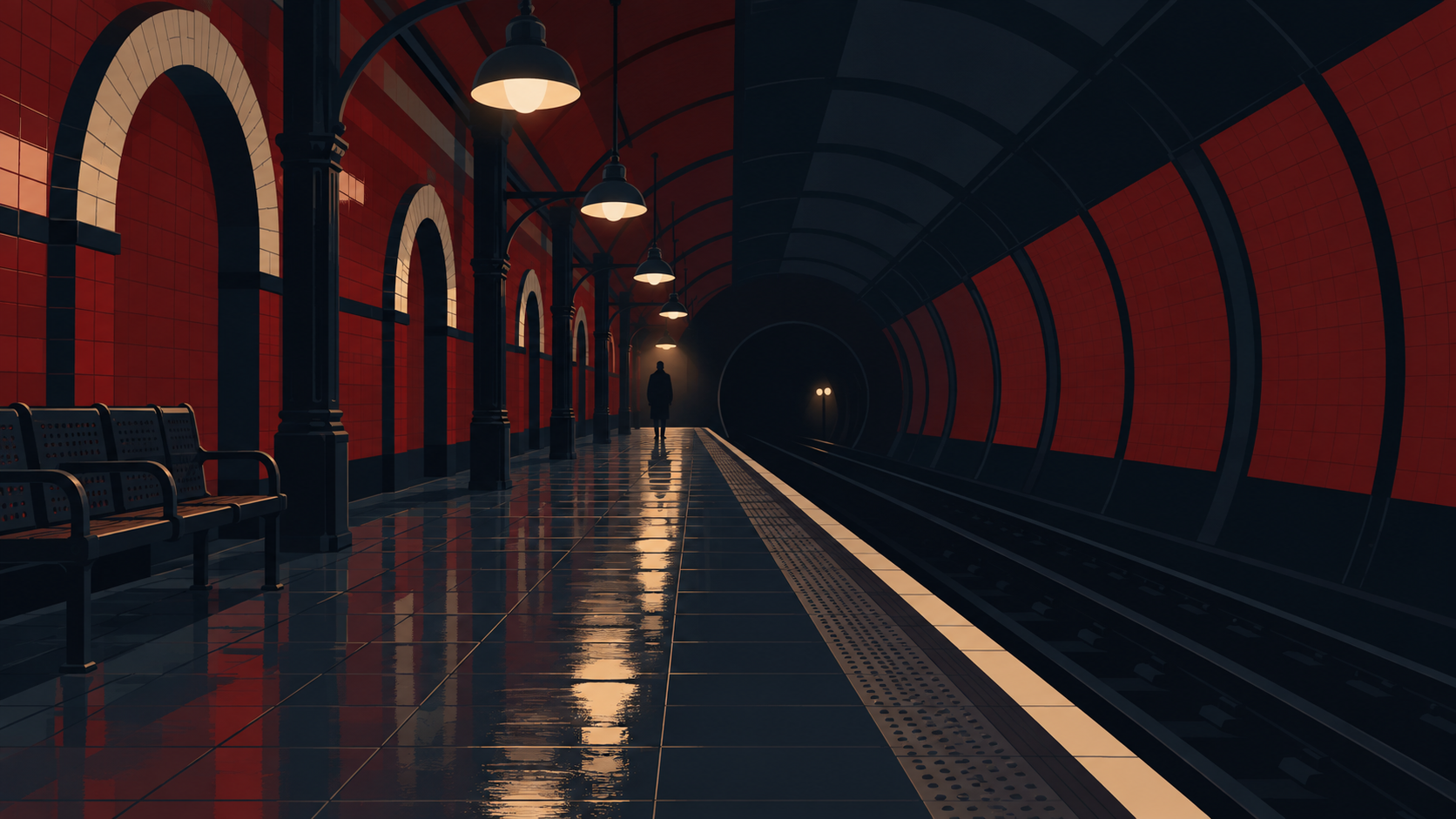
It isn’t hard to see why these stories stick. The network’s construction was genuinely dangerous, with real accidents and real deaths along the way. Its tunnels run beneath some of the oldest, most layered parts of the city, and the environment itself — dark, enclosed, echoing — does half the work of a good ghost story before anyone even opens their mouth.
Skeptic or Believer?
You don’t have to believe in ghosts to enjoy the Underground’s folklore — these stories are as much a part of the network’s identity as the roundel or the map. Next time you’re waiting on a quiet platform, it’s worth listening a little more closely. You might just hear the echo of the Black Nun’s footsteps, Anne Naylor’s cry, or the distant rattle of a train that was never scheduled to run.