The Literary London Underground: A Book Lover’s Guide to London by Tube
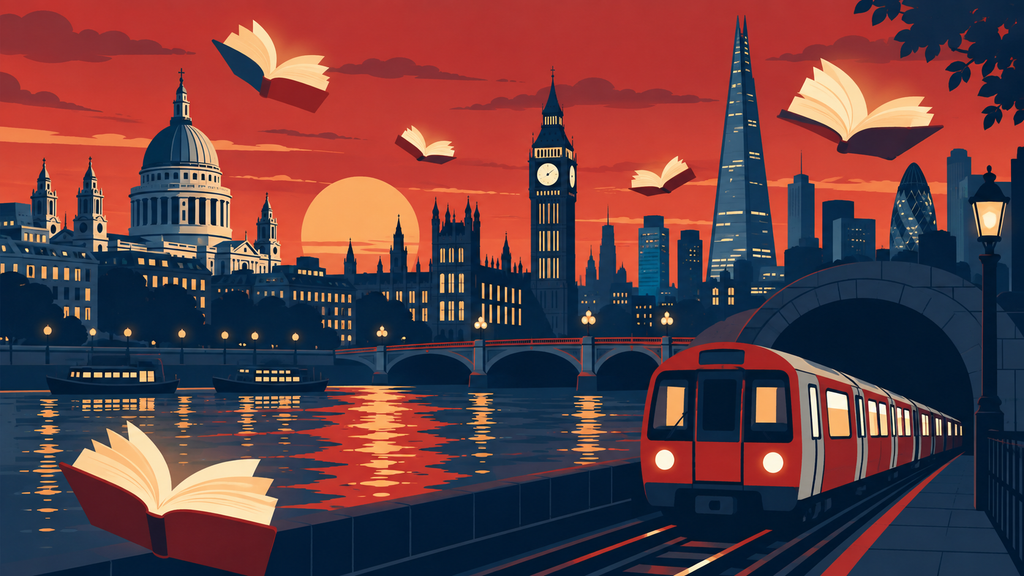
The London Underground isn’t just how you get around the city — it’s a 150-year-old map of London’s literary imagination. Sherlock Holmes solved his first mysteries a few streets from Baker Street station. Platform 9¾ lives at King’s Cross. Dickens walked the market at Covent Garden and wrote it into his novels. If you’re planning a literary London tour by Tube, the network itself is the itinerary: pick a line, pick a station, and you’re standing where the stories were set.
Here’s a station-by-station route through London’s literary Underground, organised the way this site organises everything — by Tube stop, not neighbourhood.
Baker Street: Where Sherlock Holmes Still Haunts the Platform
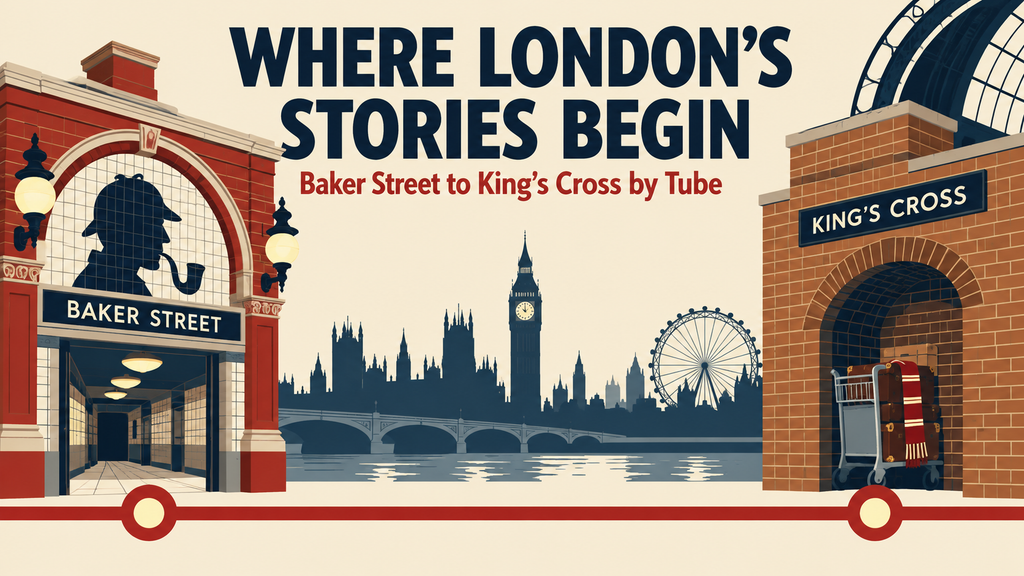
No literary Tube tour starts anywhere else. Baker Street station wears its most famous fictional resident proudly — tiled silhouettes of a deerstalker hat and pipe line the platform walls, and a statue of Holmes stands just outside the entrance. Arthur Conan Doyle’s detective is so tied to this stop that visitors often forget the station itself predates the stories.
Walk five minutes to 221B Baker Street, now the Sherlock Holmes Museum, and bring a copy of The Adventures of Sherlock Holmes for the platform.
Cultural Experiences on the Bakerloo Line
King’s Cross St Pancras: The Platform That Doesn’t Exist
For Harry Potter readers, King’s Cross isn’t a transit hub — it’s the departure point for Hogwarts. Platform 9¾ has its own dedicated photo spot, complete with a half-vanished luggage trolley, and it draws a queue most days of the year regardless of weather.
Re-read the opening chapters of Harry Potter and the Philosopher’s Stone on the platform for the full effect — the station really does still feel a little bit magic.
Magical London: A Potterhead’s Ultimate Guide to the Wizarding World
Covent Garden: Dickens, Theatre, and the Market That Inspired Him
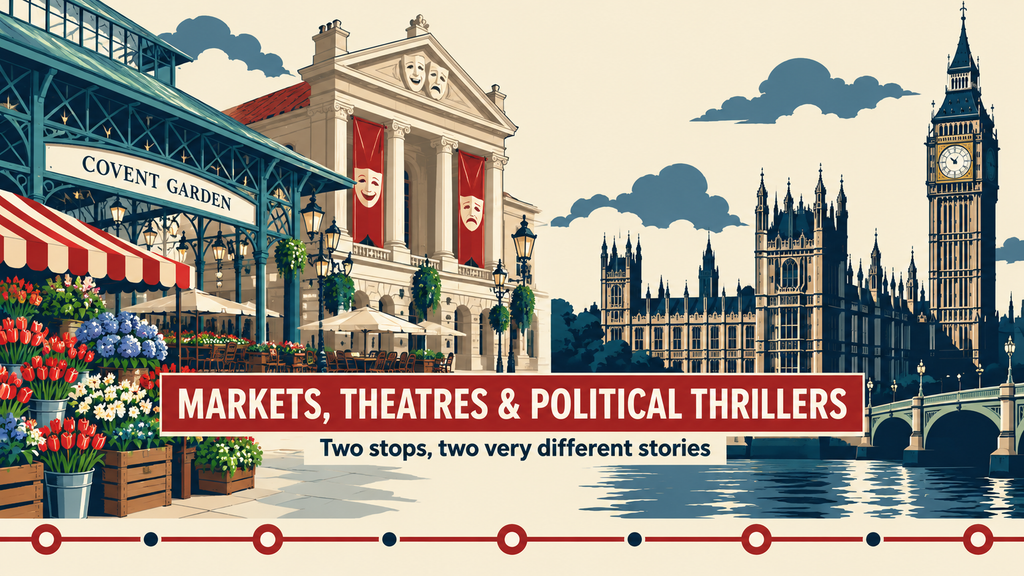
Covent Garden’s literary pedigree runs through the performing arts as much as prose. Charles Dickens knew these streets well, and the market’s chaos and colour surface directly in Nicholas Nickleby. The area still has the theatrical energy that drew him — street performers, market stalls, and the kind of Victorian architecture that hasn’t changed as much as you’d think.
Bring Nicholas Nickleby or David Copperfield and read a chapter on a bench near the piazza.
Westminster: Politics, Spies, and Historical Drama
Westminster station sits directly beneath the Houses of Parliament and Big Ben, and the area has inspired a genre’s worth of political thrillers and historical fiction. Robert Harris’s An Officer and a Spy and Hilary Mantel’s Wolf Hall both draw on the corridors of power a few minutes’ walk from the platform. For something more contemporary, John le Carré’s Cold War thrillers — Tinker Tailor Soldier Spy especially — carry the same shadowy Westminster atmosphere onto the Tube itself.
Notting Hill Gate: Romance, Colour, and a Different Kind of Story
Notting Hill’s reputation as a backdrop for romance is inseparable from Richard Curtis’s film of the same name, but the neighbourhood’s literary roots run deeper. Its rows of pastel houses and market stalls have drawn writers for decades. Ruth Rendell — writing as Barbara Vine — set Notting Hill here, and walking the streets with the book in hand makes the area’s layered history much more visible than a quick visit alone would.
Charing Cross: Booksellers’ Row and the Bookshop That Became a Book
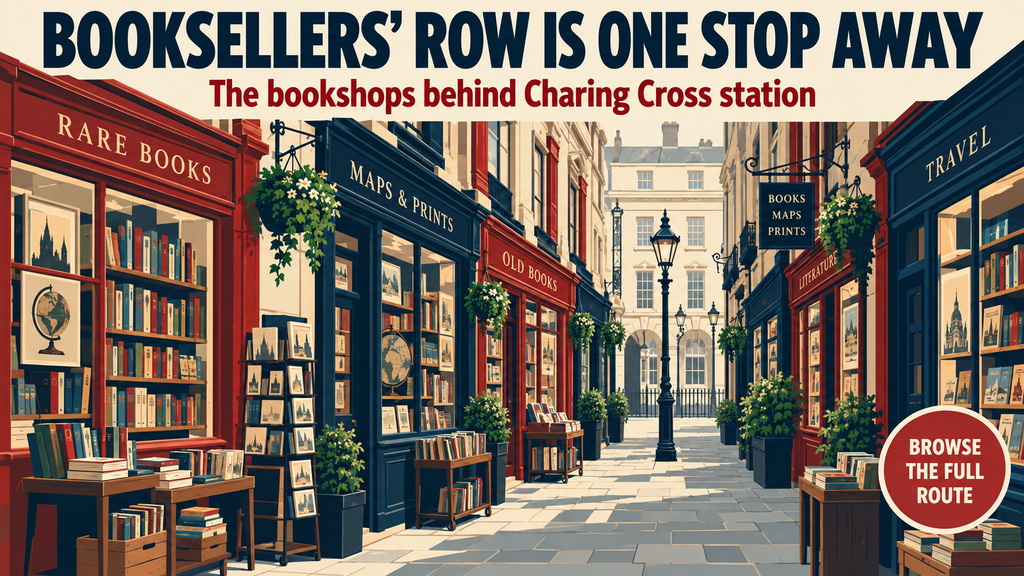
Charing Cross is the stop for anyone who’d rather browse shelves than sights. A short walk leads to Cecil Court — “Booksellers’ Row” — a narrow street of independent and second-hand bookshops that has barely changed in character for a century. It’s the natural place to actually buy the books on this list.
Pick up Virginia Woolf’s Mrs Dalloway, who knew this part of London well, or Helene Hanff’s 84, Charing Cross Road, a love letter to exactly this kind of browsing.
Hampstead: The Poet’s Underground
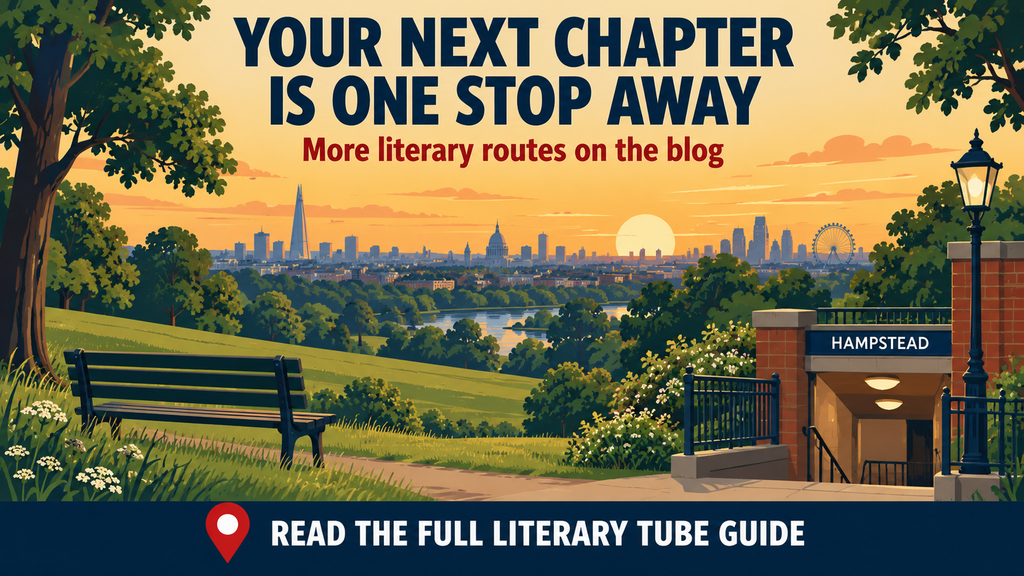
A little further out, Hampstead is one of London’s most literary neighbourhoods and one of its deepest Tube stations. John Keats lived here — his home is now the Keats House Museum — and the surrounding Heath has inspired writers for two centuries. It’s the quietest, greenest stop on this route, and worth the extra ten minutes on the Northern line.
Bring a collection of Keats’s poetry and read it on the Heath itself.
The Literary Underground Is Always Open
The Tube doesn’t just connect these stories — it’s part of them. Every line has a station with a book attached to it, and every book makes the next ride a little more interesting. Start with one stop, bring one book, and let the map do the planning.
Looking for a full day rather than a single stop? See our 3-Day First-Timer Itinerary or East London Weekend Guide for more Tube-based routes.