How to Use the London Underground: A Local’s Guide for First-Time Visitors
The Tube carries over 4 million journeys a day, and once you understand how it works, it’s the fastest and cheapest way to see London. Here’s everything you need to know before you tap in for the first time.

Know Your Lines and Zones
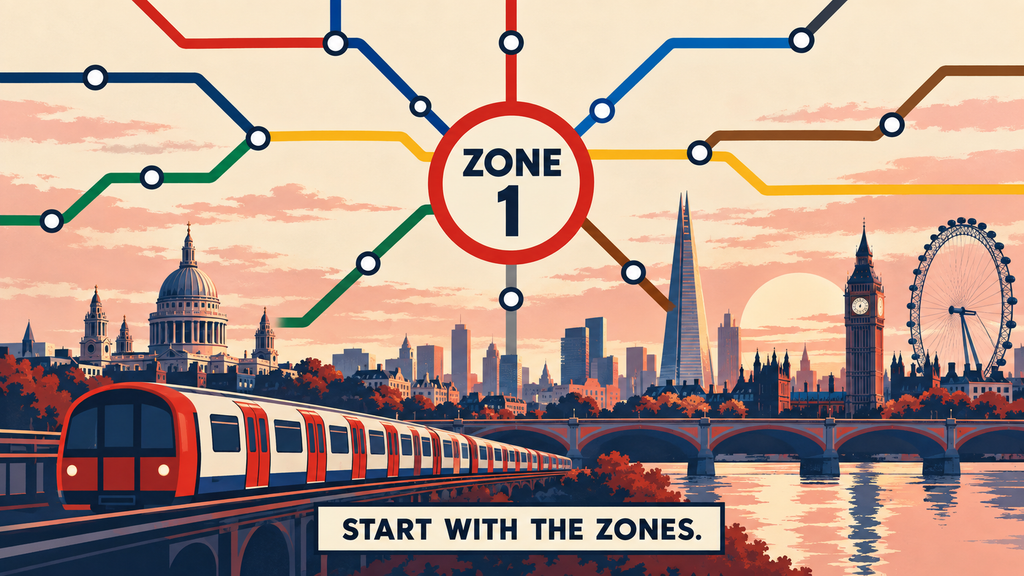
Before you travel, take a minute to look at the Tube map and get familiar with the different lines, their colour codes, and the zones they cover. London’s Underground is divided into nine fare zones, with Zone 1 covering the centre of the city. Knowing which zones your journey crosses helps you pick the right ticket and avoid overpaying.
Each of the eleven Tube lines has its own personality worth exploring in more depth — start with The Complete Central Line Guide or browse the full set of line guides if you’re planning a specific day out.
Peak and Off-Peak Hours
Travelling outside peak hours makes for a far more comfortable, less crowded journey. Peak hours generally run 7:30–9:30am and 5:00–7:00pm on weekdays. If your schedule is flexible, plan sightseeing or non-essential journeys for off-peak windows — you’ll get a seat more often and pay less on some fares.
If you’re building a full day out, our London Tube Zones, Fares & Oyster Card Guide breaks down exactly how peak pricing and daily caps work.
Oyster Card or Contactless: Which Should You Use?
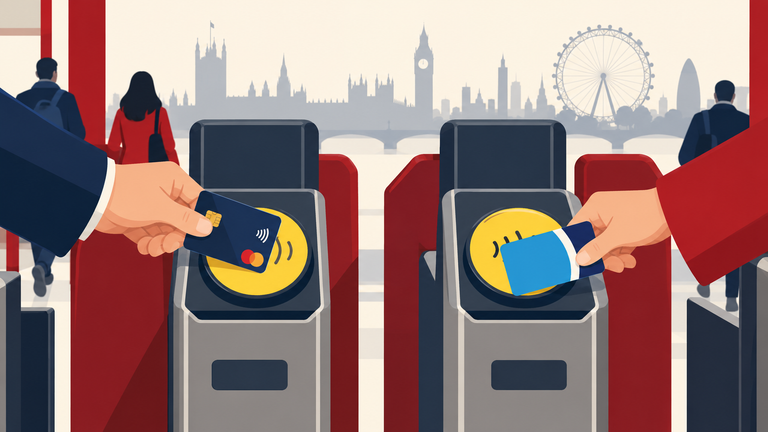
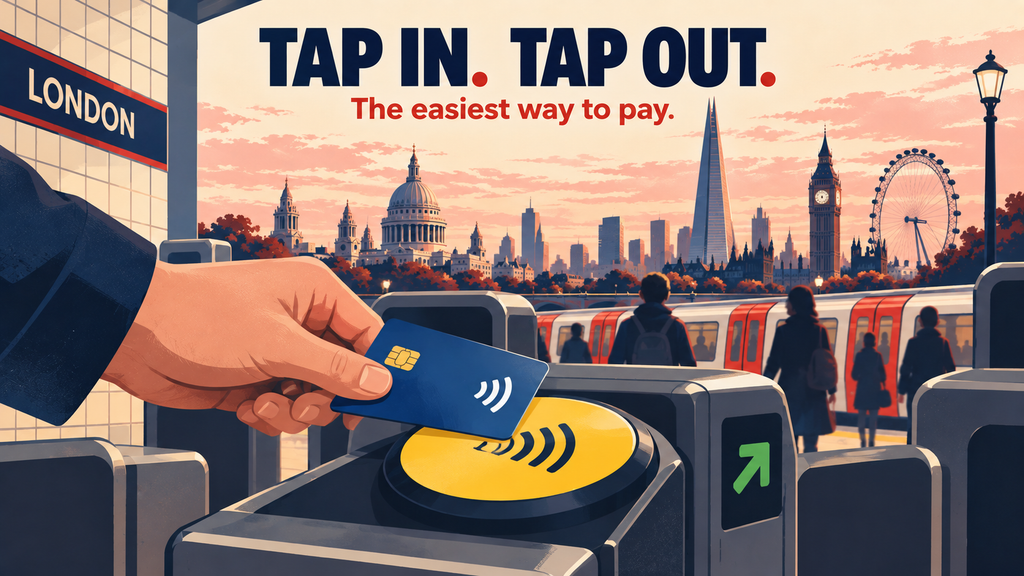
For most visitors, tapping in with a contactless bank card is the simplest option — it’s automatically capped at the best daily and weekly fare, with no top-ups to manage. An Oyster card is worth it mainly for visitors without a fee-free contactless card, or for younger travellers who qualify for reduced fares.
Simply tap in and out at the yellow readers by the gates — never forget to tap out, or you’ll be charged the maximum fare.
Read the full breakdown in Oyster Card vs Contactless in 2026: Which Should You Use?
Mind the Gap — and Your Belongings
“Mind the gap” is one of the most recognisable phrases in London, and it’s good advice beyond the platform edge too. Keep bags zipped and in front of you on busy trains, stand clear of closing doors, and always let passengers off before you board.
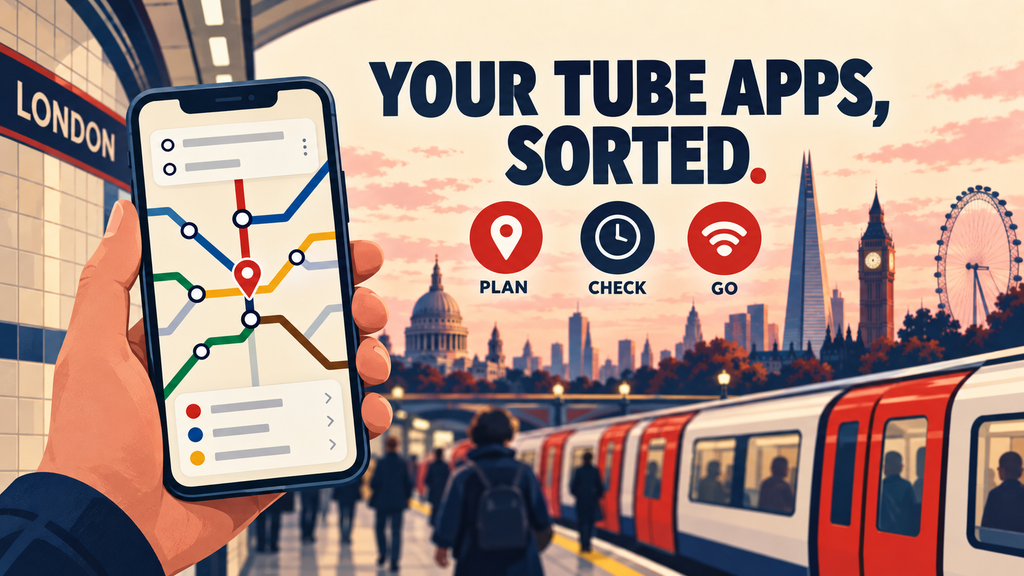
Download These Apps Before You Travel
A few apps make Tube travel noticeably smoother:
- Citymapper — real-time routes across Tube, bus, and rail combined
- TfL Go (the official TfL app) — live departures, service status, and step-free access info
- Google Maps — a reliable backup with live disruption alerts
If you’re travelling with a buggy or need step-free access, check our Step-Free London by Tube: A Guide to Accessible Stations and Routes before you set off.
Plan for Disruptions
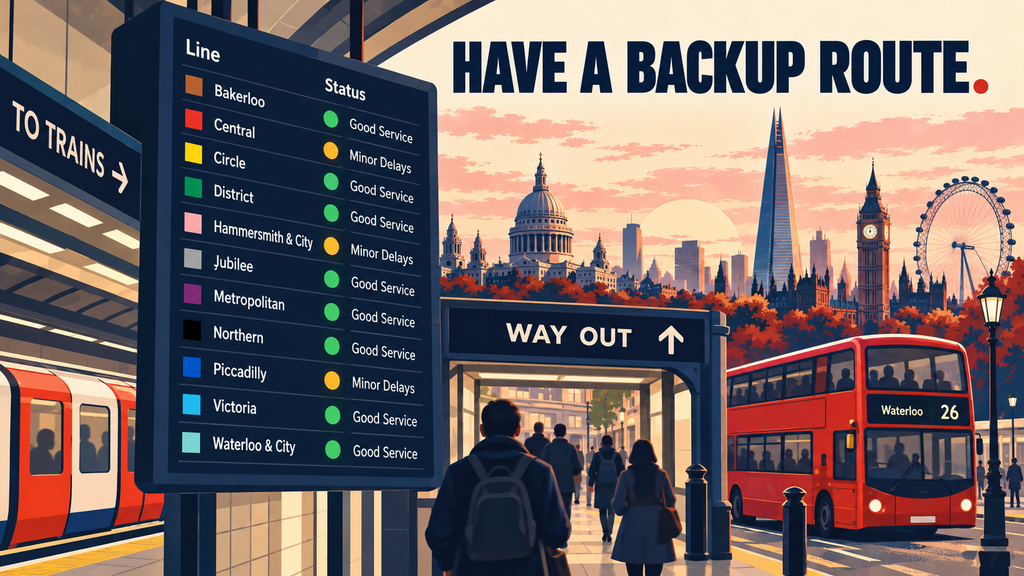
The Tube is generally reliable, but disruptions happen — engineering works, signal failures, and occasional strikes. Check live status before you leave, and always have a backup route or mode of transport in mind.
If a strike is scheduled during your visit, our How to Navigate London When There’s a Tube Strike covers exactly what to do.
Enjoy the Ride
The London Underground is more than a way to get from A to B — it’s a 160-year-old network with genuine history and hidden character. Look out for platform art, station architecture, and the odd busker. Some of the network’s most interesting stories are hiding in plain sight, including the disused stations beneath the ones you’ll actually use.
Curious? Start with The London Underground’s Secret History: Ghost Stations, Wartime Tunnels & Lost Lines or The Most Beautiful Tube Stations in London

The Takeaway
Master a handful of basics — zones, timing, tapping in, and a good app — and the Tube stops being an obstacle and starts being the best part of getting around London. For a full route built around these principles, see our London for First-Time Visitors: The Ultimate Tube-Based 3-Day Itinerary.