London Underground Etiquette: The Do’s and Don’ts Every Tube Rider Should Know
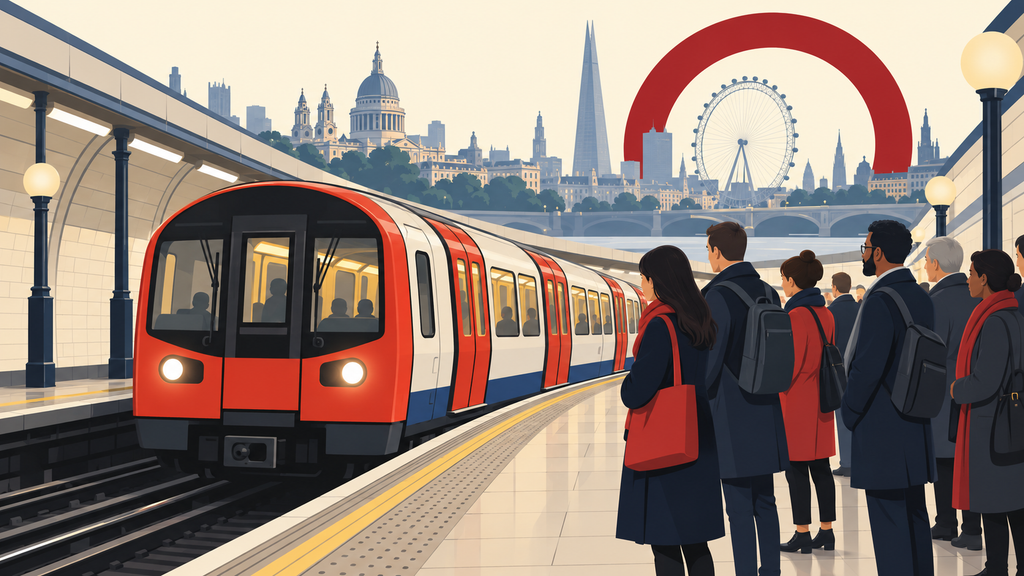
London Underground etiquette isn’t written down anywhere — there’s no poster in the ticket hall explaining the rules. But every regular rider knows them, and every visitor who breaks one gets that look. With over 5 million journeys made on the Tube every single day, a shared, unspoken code of conduct is what keeps 272 stations and eleven lines running smoothly without anyone saying a word.
The good news: London Underground etiquette is easy to pick up once you know what to look for. Get it right and you’ll move through the network like a local. Get it wrong and, well — you’ll survive, but you might get a few sighs on the escalator.
This guide covers the essential Tube do’s and don’ts, why they matter, and how to blend in from the moment you tap in.
Why Tube Etiquette Matters
The Underground works because millions of strangers move through it every day in a kind of silent agreement. Queuing, spacing, and platform positioning aren’t arbitrary — they’re what stops a crowded rush-hour platform from turning into chaos. Learning the etiquette isn’t about fitting in for its own sake; it genuinely makes your journey (and everyone else’s) faster and less stressful.
The Do’s of London Underground Etiquette
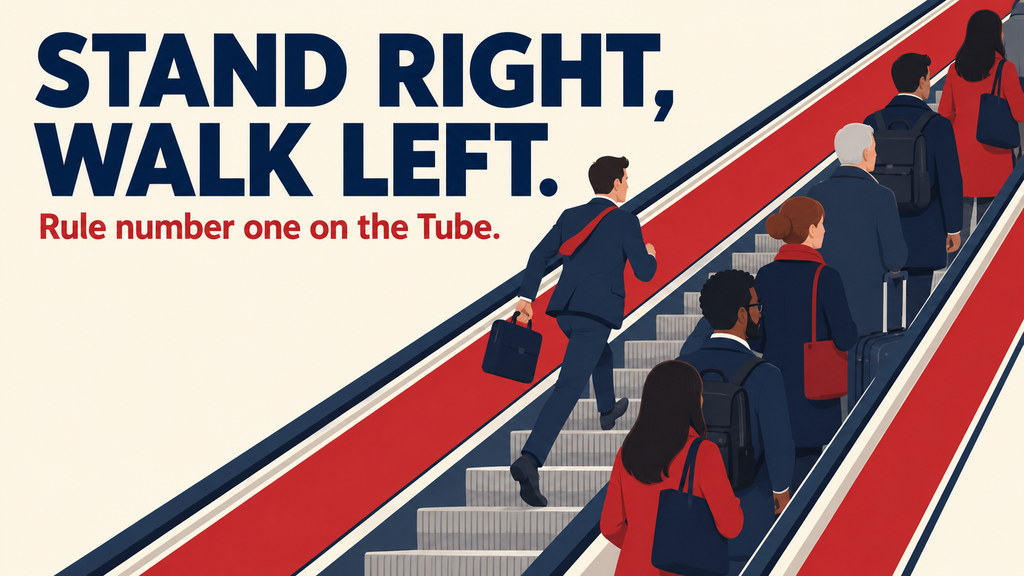
1. Stand on the right, walk on the left. This is the golden rule of every escalator on the network. One side stands, the other moves. Get this wrong at Bank or King’s Cross during rush hour and you’ll feel the collective tut of a few hundred commuters.
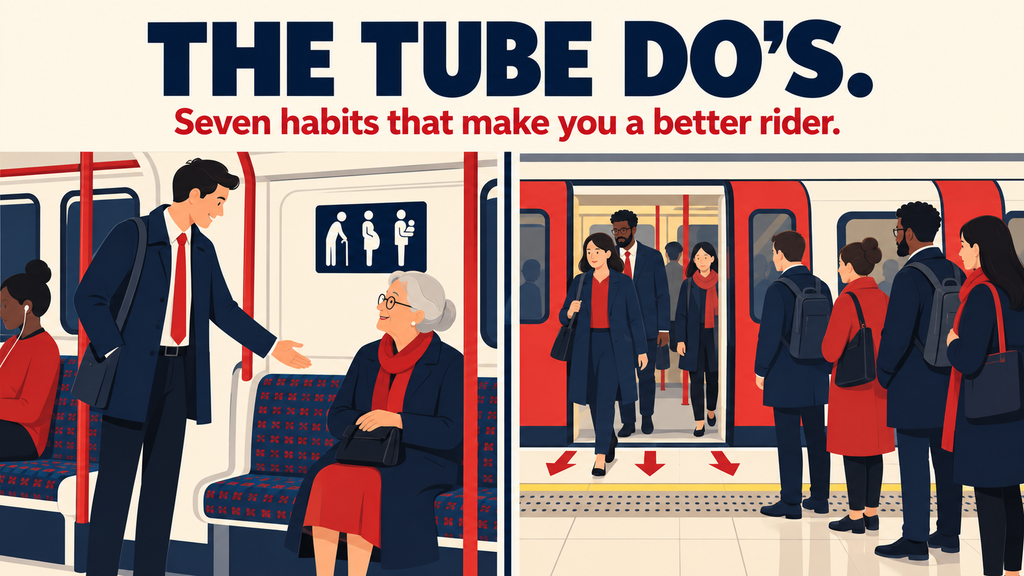
2. Offer your seat to those who need it. Elderly, pregnant, or disabled passengers take priority. “Baby on Board” and “Please Offer Me a Seat” badges exist for a reason — if you see one, offer up your seat without being asked.
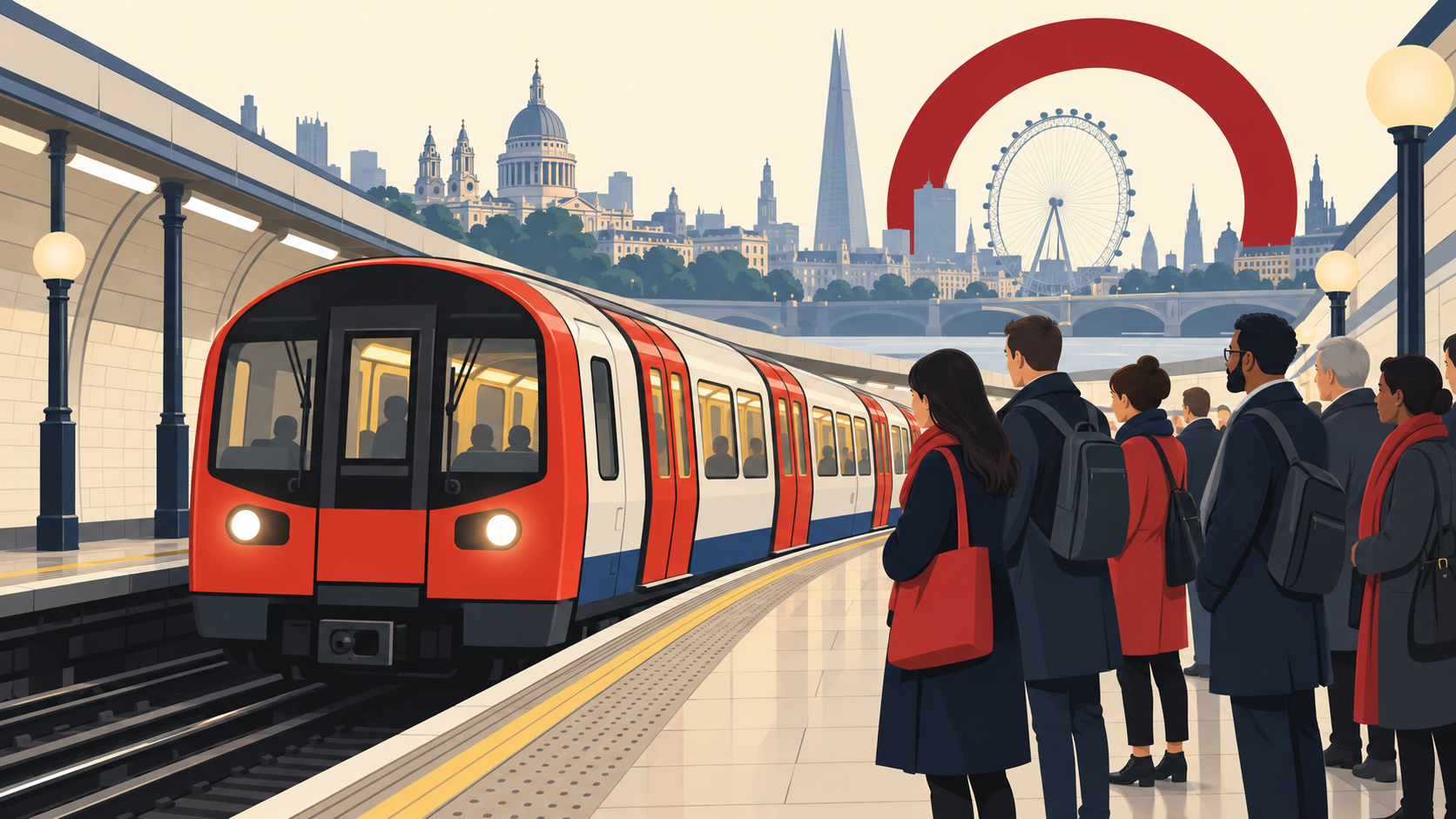
3. Keep to the right on the platform. Stand to the right while waiting so people can pass on the left, and so you’re not blocking the flow when the train pulls in.
4. Let passengers off before you get on. Step aside, let the carriage empty, then board. Rushing the doors just slows everyone down, including you.
5. Keep noise to a minimum. Phone calls, music, and loud conversations carry further than you’d think in a metal tube underground. Headphones and a lower voice go a long way.
6. Mind the gap. It’s not just a famous phrase — the gap between the platform and the train is real, especially on curved platforms like Bank or Embankment. Watch your step and your bags.
7. Have your ticket or contactless card ready. Tap in and out with a card, phone, or Oyster before you reach the gate, not while you’re standing in it. It keeps the queue moving for everyone behind you.
The Don’ts of London Underground Etiquette
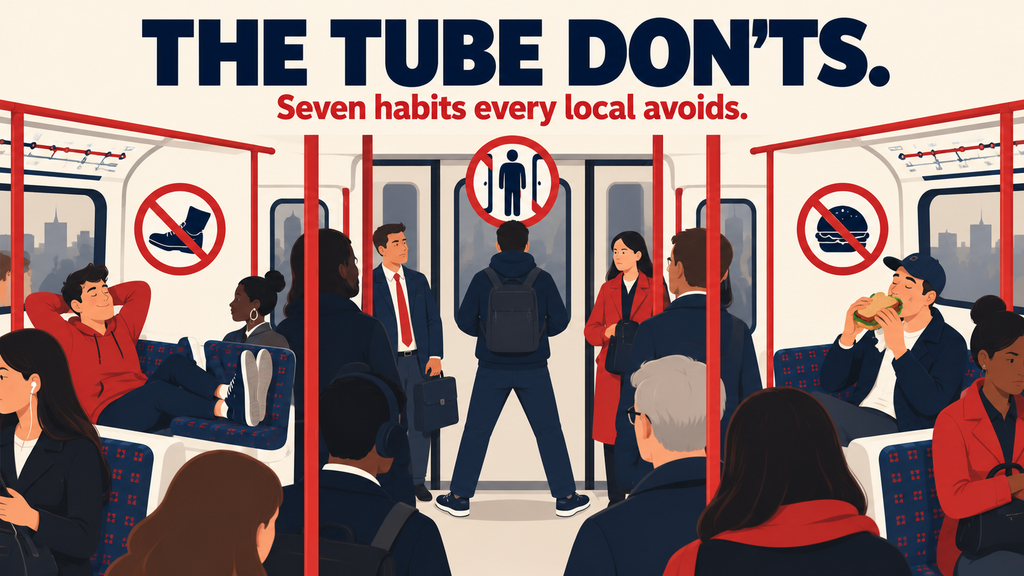
1. Don’t eat or drink on the train. It’s not officially banned everywhere on the network, but it’s widely considered poor form — save the snacks for above ground.
2. Don’t take up extra space. Bags on laps, not on seats. Rucksacks off your back in a crowded carriage. Small adjustments, big difference during rush hour.
3. Don’t block the doors. Move down inside the carriage so others can get on and off without a scrum at the entrance.
4. Don’t put your feet on the seats. It’s an easy one to forget when you’re tired, but it’s one of the fastest ways to get a disapproving look from a fellow passenger.
5. Don’t push and shove. Rush hour is rush hour for everyone. Pushing rarely gets you there faster and never makes the platform feel calmer.
6. Don’t talk loudly on your phone. If a call is urgent, keep it brief and quiet — or wait until you’re back above ground.
7. Don’t rush into an empty carriage. An unusually empty carriage on a packed train is empty for a reason — often a spillage, a smell, or broken air conditioning. Have a quick look before you commit.
Final Thoughts: Ride the Tube Like a Local

None of this is complicated — London Underground etiquette really comes down to patience, awareness, and a bit of consideration for the few hundred strangers you’re sharing a carriage with. Stand right, walk left, let people off first, and keep the noise down, and you’ll move through the network like you’ve lived here for years.
Once you’ve got the etiquette down, the next question is where the Tube can actually take you. That’s where the rest of London By Tube comes in.