London Tube Stations That Stared In Films
The London Underground isn’t just the world’s oldest subway system—it’s also one of cinema’s most captivating settings. From heart-pounding chase sequences to intimate character moments, filmmakers have long been drawn to the unique atmosphere of London’s sprawling tube network. Let’s explore some of the most Iconic Movie Scenes that have turned these historic tunnels into silver screen magic.
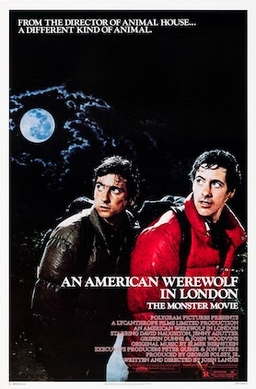
“An American Werewolf in London” (1981) – The Hunt at Tottenham Court Road
John Landis’s horror-comedy masterpiece features one of the most terrifying Underground sequences ever filmed. Late at night in the eerily empty Tottenham Court Road station, a businessman finds himself stalked by a werewolf through the tunnels and escalators. The scene masterfully plays with the station’s labyrinthine layout, using its confined spaces and harsh fluorescent lighting to create an atmosphere of claustrophobic dread. Shot on location during the station’s closed hours, this sequence captures both the architectural grandeur and inherent unease of being alone in the Underground after dark.
“Skyfall” (2012) – The Chase Through Temple Station
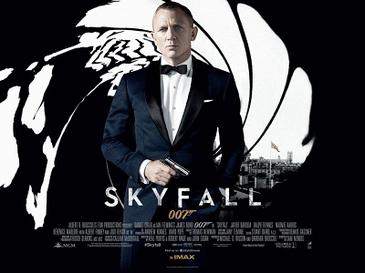
In one of the most ambitious sequences ever filmed in the Underground, James Bond pursues an assassin through the crowded tunnels of Temple station. What makes this scene particularly remarkable is how it incorporates real Underground architecture while seamlessly blending in custom-built sets. The production team worked closely with Transport for London to film during off-peak hours, creating a perfect balance of authenticity and Hollywood spectacle. The scene culminates in a heart-stopping moment when a train crashes through a weakness in the tunnel—a sequence that required months of planning and elaborate visual effects.
“V for Vendetta” (2005) – The Hidden Underground
The dystopian thriller uses the Underground not just as a setting but as a powerful symbol of resistance. The abandoned Underground stations serve as V’s secret base, highlighting how these forgotten spaces could become havens of rebellion. The film’s production designers enhanced existing abandoned stations, adding layers of historical detail to create V’s baroque hideout. This creative use of the Underground taps into the real history of the tube stations serving as bomb shelters during World War II, lending additional weight to the film’s themes of survival and resistance.

“Thor: The Dark World” (2013) – Otherworldly Commute
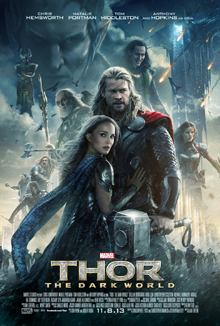
In an amusing fish-out-of-water sequence, Thor finds himself navigating the Charing Cross Underground station, complete with bewildered commuters offering him directions. The scene perfectly captures the surreal experience of seeing a Norse god using public transport, while also showcasing the Underground’s iconic design elements. The production team chose Charing Cross for its distinctive architectural features and worked during early morning hours to capture the authentic rush-hour atmosphere while managing the logistics of filming with crowds.
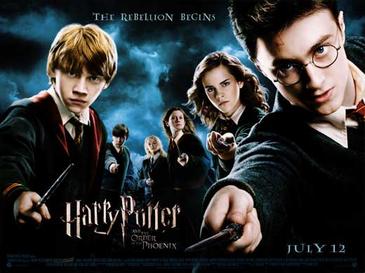
“Harry Potter and the Order of the Phoenix” (2007) – Westminster’s Magic
While most of the film’s Underground scene was shot on a soundstage, the exterior shots at Westminster station create a seamless blend of magical and mundane London. The sequence where Harry and Mr. Weasley pass through the ticket barriers captures the unique architecture of Westminster station, with its distinctive white tiles and modern design elements serving as a perfect contrast to the wizarding world.
“28 Days Later” (2002) – Empty Underground
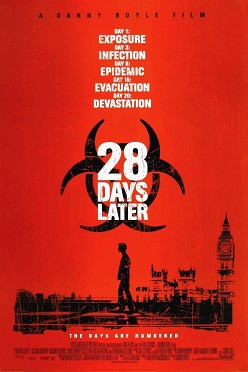
Perhaps the most haunting use of the Underground appears in Danny Boyle’s post-apocalyptic thriller. The scenes of a completely deserted Westminster station were filmed in the early morning hours before the station opened, creating an unforgettable image of London’s abandonment. The production team had only brief windows to capture these shots, but the result is one of cinema’s most memorable depictions of a deserted London.
Behind the Scenes: The Challenges of Filming Underground
Filming in the London Underground presents unique challenges that have shaped how these iconic scenes were created. Production teams typically have just a few hours during the night or early morning to capture their shots. The confined spaces require innovative camera techniques, and the need to work around a functioning transit system demands precise planning and coordination with Transport for London.
Yet these challenges have often led to creative solutions that enhanced the final products. Many films combine location shooting with carefully constructed sets, while others use real stations in innovative ways, turning maintenance tunnels into chase sequences or transforming modern platforms into futuristic or historical settings.
Legacy and Impact
These film scenes have not only entertained audiences but have also helped document the evolving face of the London Underground. From the vintage stations of the 1960s spy films to the modern architecture featured in contemporary blockbusters, cinema has preserved the changing character of this vital piece of London’s infrastructure.
Moreover, these scenes have influenced how we view the Underground itself. For many visitors to London, their first exposure to the tube system came through these films, creating expectations and associations that color their real-world experiences. The London Underground has become more than just a transit system—it’s a character in its own right, one that continues to captivate filmmakers and audiences alike.
Whether serving as a backdrop for thrilling chases, a symbol of civilization’s collapse, or simply a slice of everyday London life, the Underground remains one of cinema’s most versatile and compelling locations. As film technology evolves and London itself changes, we can expect to see many more memorable scenes spring from these historic tunnels, each adding to the rich cultural legacy of the world’s most famous subway system.
More from London By Tube: