How the London Underground Copes With Major Events (And What It Means for Your Trip)
When London hosts something big — the Olympics, New Year’s Eve fireworks, a royal event, a stadium concert — the Tube is what actually gets everyone there and home again. Millions of extra journeys get squeezed through a network that’s over 160 years old, and somehow, most of the time, it works. Here’s how Transport for London (TfL) pulls it off, and what it means if you’re planning to travel during one of these events.
The Planning Starts Years, Not Days, Before
Major event planning on the Underground doesn’t happen the week of. For the 2012 Olympics, TfL’s preparation began as early as 2008 — four years out. That kind of lead time lets TfL, event organisers, emergency services, and local authorities map out crowd flow, staffing, and worst-case scenarios long before a single extra passenger shows up.
If you’re travelling during a big event, this is worth knowing: TfL usually publishes travel advice for major events weeks in advance on its website, so it’s worth checking before you set off rather than discovering a closure at the barrier.
The Complete Guide to London’s Tube Zones, Fares & Oyster Card
More Staff, Longer Hours, Tighter Coordination
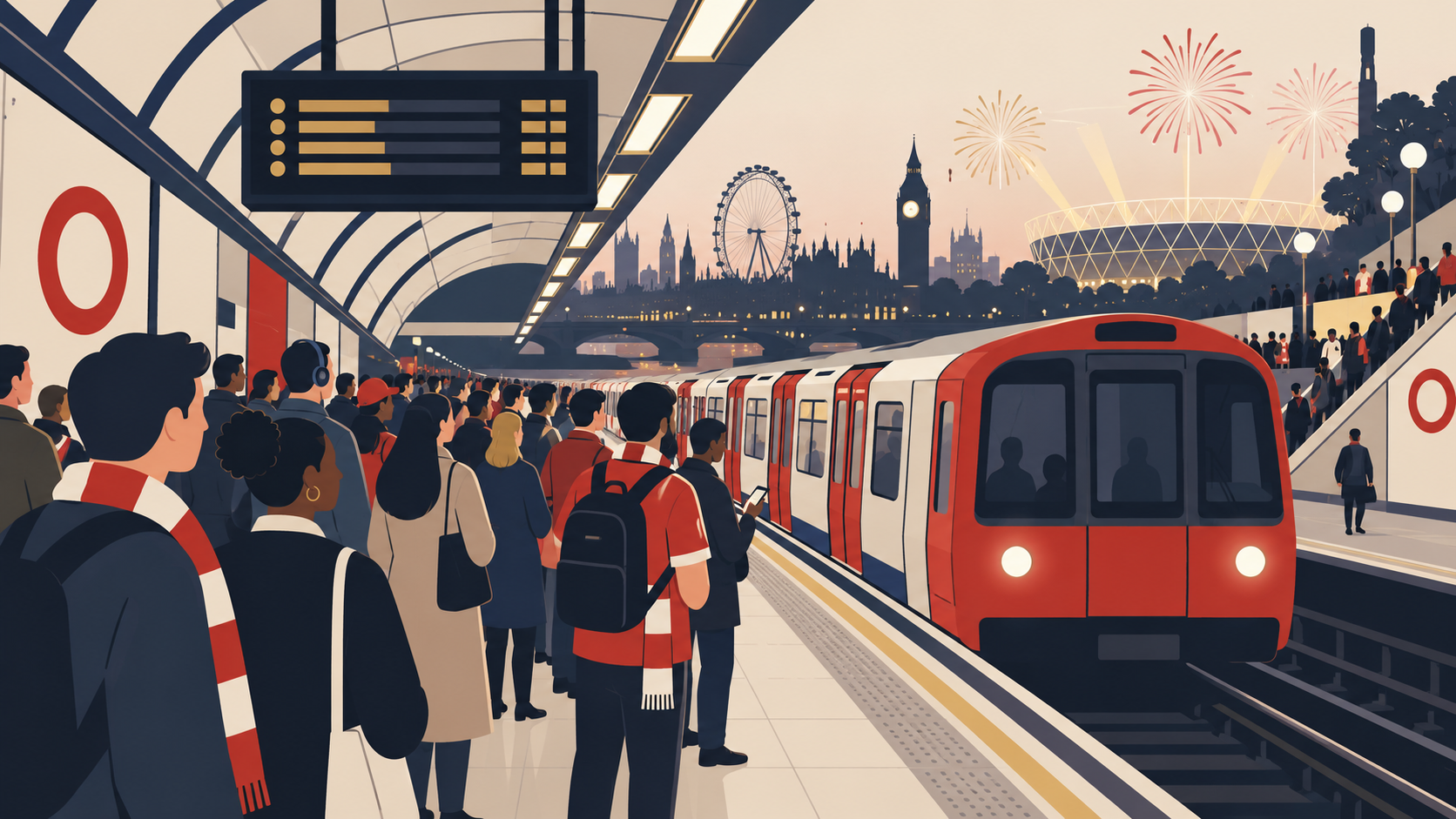
During major events, the network shifts into a different operating mode. Interchange stations get extra staff, British Transport Police maintain a visible presence, and engineers are on standby in case anything goes wrong. On nights like New Year’s Eve, several lines run all night to clear the crowds safely rather than leaving people stranded. TfL even pulls in volunteer staff from other departments to help with crowd management on the ground.
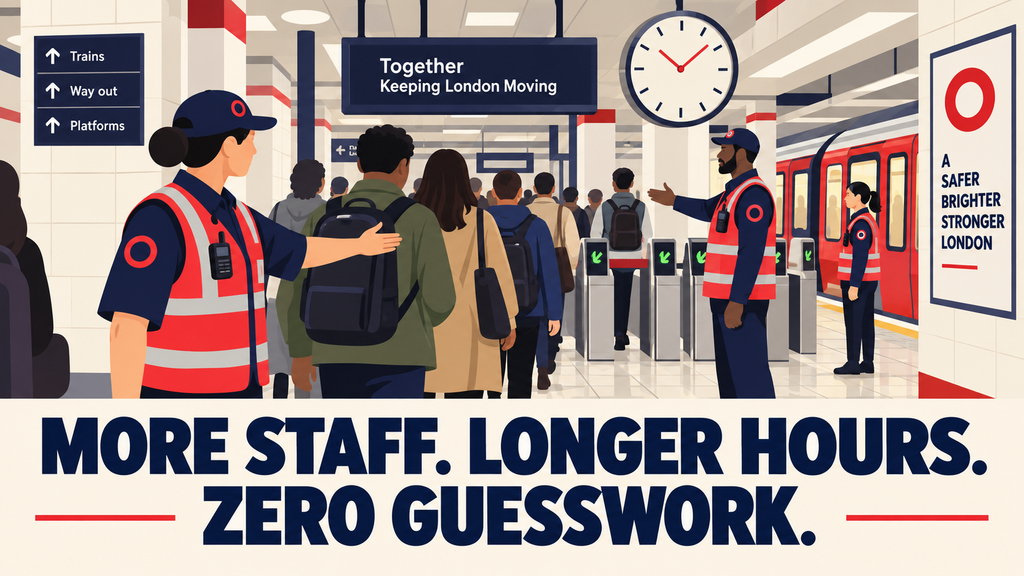
What this means for visitors: if you’re heading to or from a major event, expect longer dwell times at big interchange stations like King’s Cross, Waterloo, or Stratford — build in extra time rather than cutting it fine.
Stratford Station: Your Gateway to East London, the Olympic Park & Westfield
How TfL Keeps Crowds Moving (Without It Turning Into a Crush)
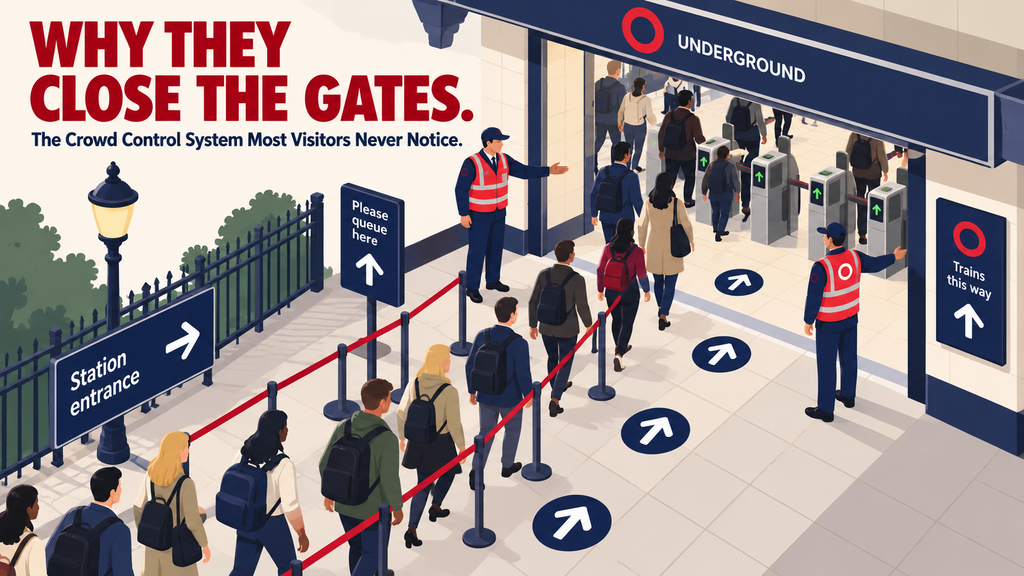
Crowd control on the Underground during a major event is more choreographed than it looks. Staff introduce one-way systems through the busiest stations, close entrances temporarily once platforms hit capacity, and use real-time crowd monitoring to track pressure points across the network. Passengers get live updates through station announcements and social media the moment something changes. Outside particularly busy stations, you’ll sometimes find queue management systems controlling how many people can enter at once.
This is the bit that catches first-time visitors out — being turned away from a station entrance isn’t a malfunction, it’s the system working as intended to stop platforms overcrowding.
The Tech Behind the Scenes
None of this runs on guesswork. TfL’s control centre tracks train locations, passenger flow, and disruptions in real time, then pushes that information out through station display boards, the TfL app, social media, and text alerts to registered users. Staff on the platforms carry tablets with live service data, so the person you ask at the barrier usually knows more than the departure board does.
If you’re travelling to an event, download the TfL Go app before you leave home — it’s the fastest way to get live updates without hunting for a member of staff.
Extra Trains, Express Services, and Event-Only Tickets
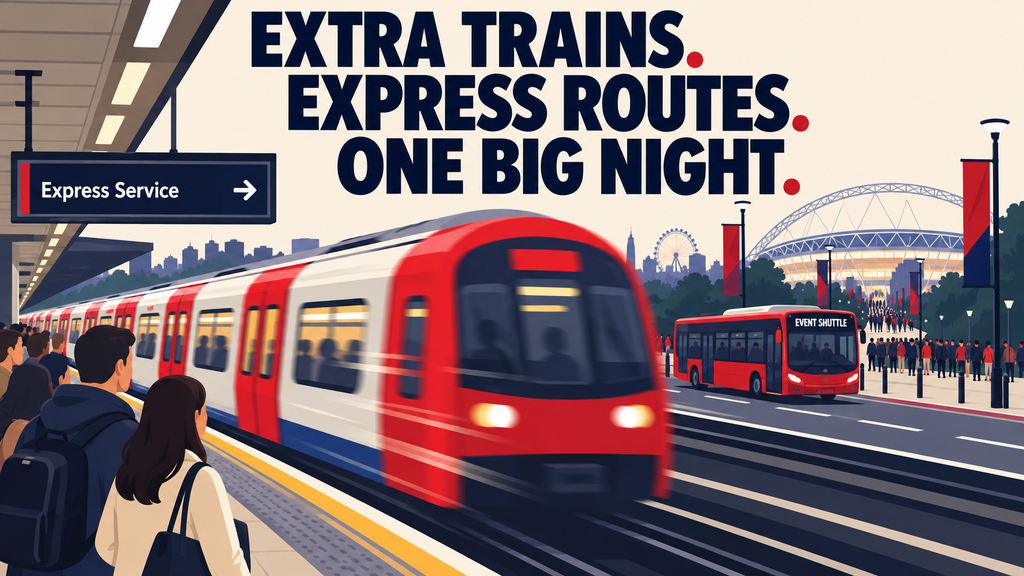
Service patterns change too. TfL adds extra trains on lines that serve event venues, runs express services that skip minor stations to cut journey times, and sometimes puts on dedicated shuttle services between transport hubs and venues. For very large events, you may see reserved platforms or special event ticketing designed to keep event traffic separate from everyday commuters.
What the Olympics Taught TfL — and What It Means Going Forward
The 2012 Olympics remain the benchmark. The lessons from that summer — clear and constant communication, flexible staffing, pre-event passenger information, and close coordination with buses, rail, and river services — are still the backbone of how TfL handles big events today, and other metro systems around the world have borrowed from the playbook.
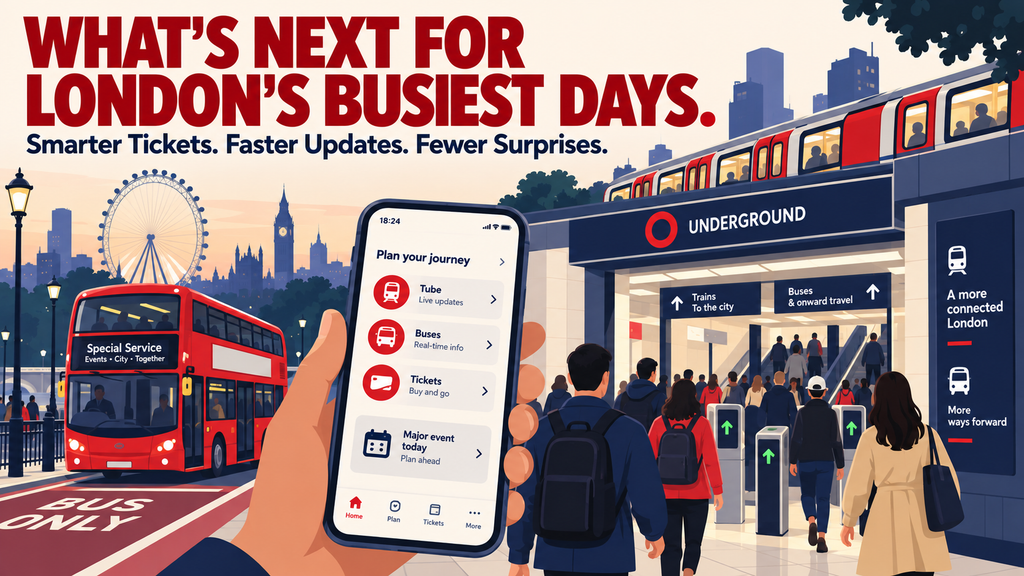
Looking ahead, TfL is investing in smarter ticketing for crowd flow, better real-time passenger information, improved accessibility, and tighter integration with other transport modes like the Superloop bus network and river services.
The Bottom Line for Visitors
Major events put real strain on a 160-year-old network, and TfL manages it through early planning, flexible staffing, active crowd control, and constant communication. If you’re in London for something big, the two things worth doing are: checking TfL’s travel advice before you set off, and building in extra time at major interchange stations. The Tube will get you there — it just might not be the fastest version of the journey you’d get on an ordinary Tuesday.