Hidden Wildlife Spots in London
While London’s iconic landmarks and bustling streets dominate the tourist trail, the city harbors remarkable wildlife havens that many visitors – and even locals – often overlook. From urban wetlands to ancient woodlands, here’s your guide to discovering London’s secret wildlife spots.
Camley Street Natural Park: An Urban Oasis
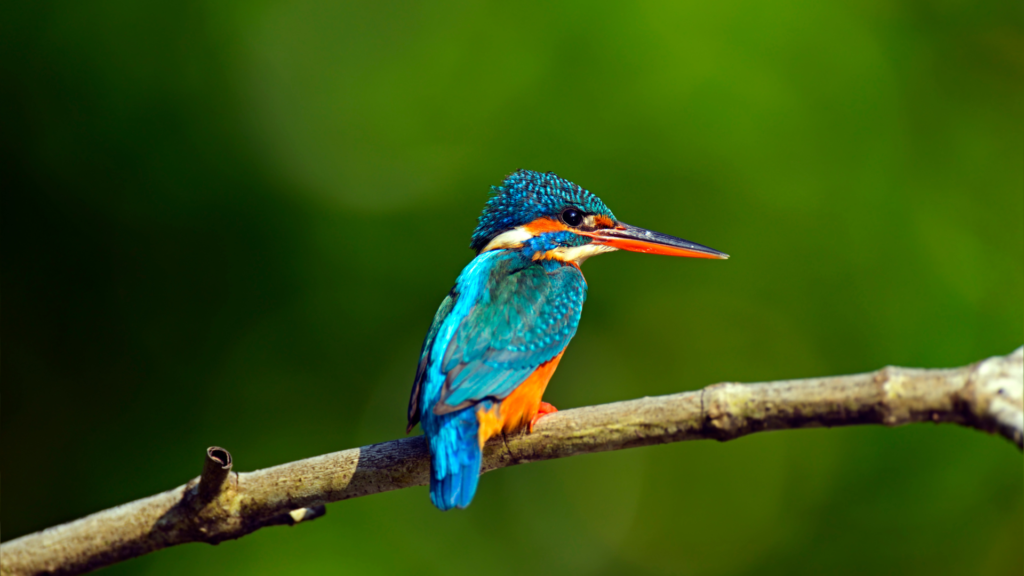
Nestled behind King’s Cross Station, this pocket-sized nature reserve offers an unexpected escape from the city’s chaos. The park’s floating reedbeds and quiet ponds provide sanctuary for kingfishers, sand martins, and numerous amphibian species. Visit at dusk in summer to witness bats skimming across the water’s surface, hunting for insects.
Sydenham Hill Wood: Ancient Forest in South London
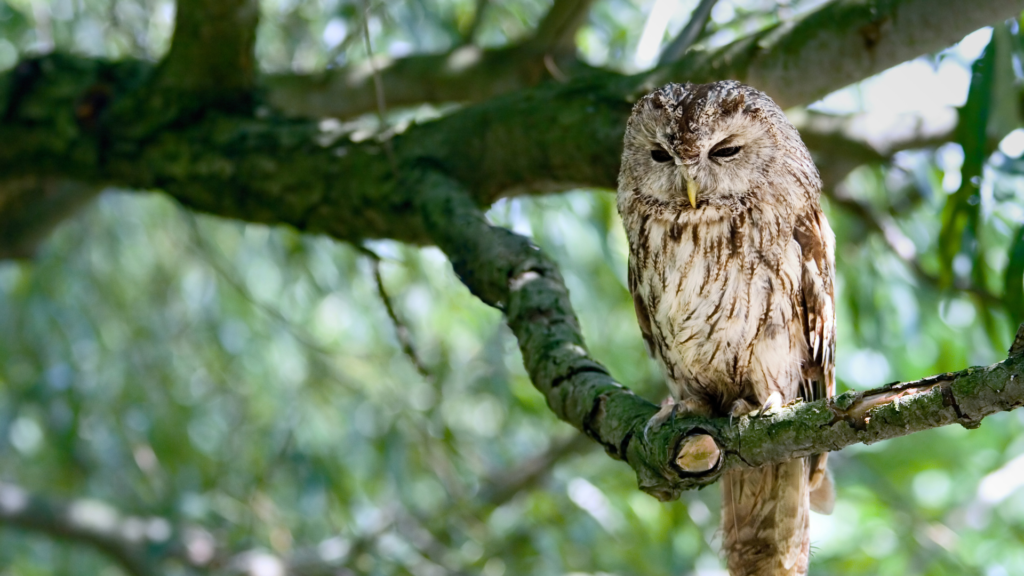
Once part of the Great North Wood, this ancient woodland fragment tells the story of London’s wild past. The dense canopy of oak and hornbeam trees supports a thriving population of great spotted woodpeckers, tawny owls, and woodland butterflies. Look out for the remnants of the old railway line, now reclaimed by nature and serving as a wildlife corridor.
Woodberry Wetlands: Hidden Reservoir Life
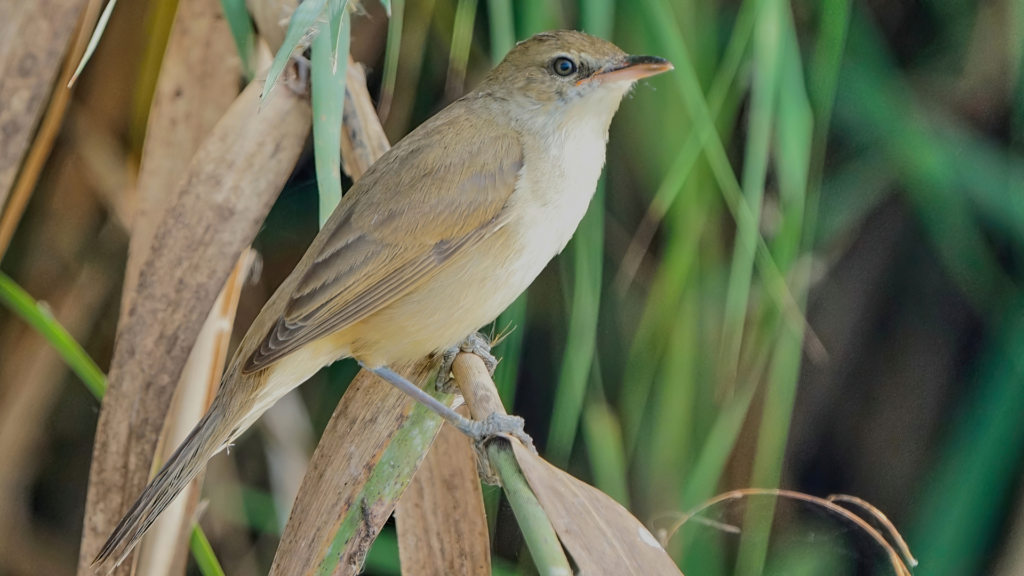
This former drinking water reservoir in Stoke Newington opened to the public in 2016 but remains relatively unknown. The reed-fringed lagoons attract an impressive variety of waterbirds, including reed warblers, little grebes, and occasional bitterns in winter. The coal house café offers perfect wildlife watching opportunities over coffee.
Mudchute Farm and Park: Isle of Dogs’ Secret Garden
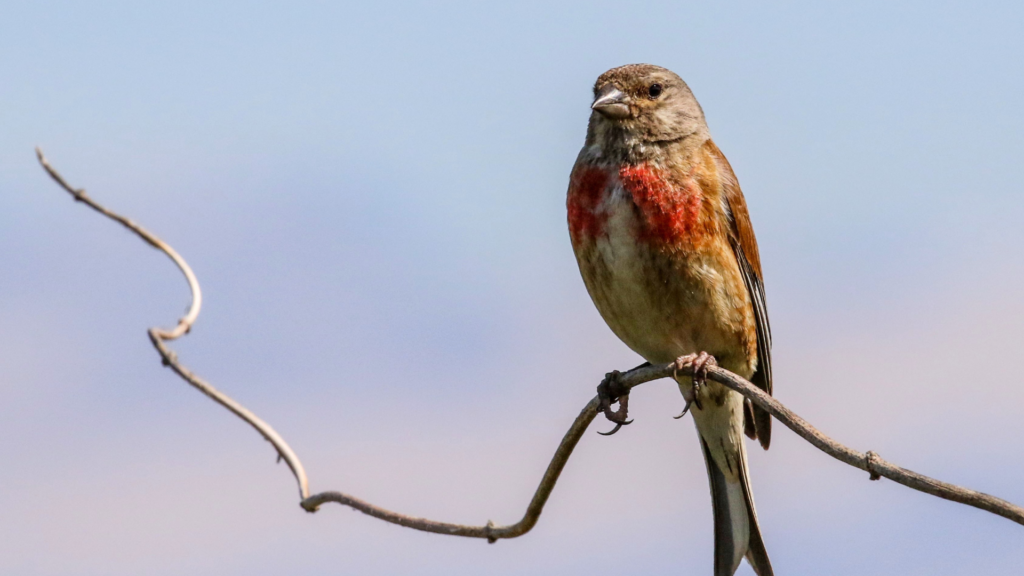
While technically a city farm, the 32 acres of Mudchute Park support surprisingly diverse wildlife. The grassland areas, managed by grazing livestock, attract kestrels and skylarks. The scrubby areas provide perfect conditions for whitethroats and linnets, while the hedgerows burst with songbirds in spring.
Russia Dock Woodland: Docklands’ Wild Heart

From industrial wasteland to wildlife haven, this former dock in Rotherhithe exemplifies urban regeneration at its finest. The mature woodland and meadow areas support a variety of wildlife, including green woodpeckers, sparrowhawks, and an increasing population of ring-necked parakeets. The raised walkways offer unique perspectives of the woodland canopy.
Best Times to Visit Wildlife Spots
Early mornings typically offer the best wildlife viewing opportunities, particularly in spring and summer when birds are most active. Weekday visits generally mean fewer visitors and better chances of wildlife encounters. Always remember to maintain appropriate distance from wildlife and avoid disturbing nesting birds.
Essential Tips
- Bring binoculars if you have them
- Wear quiet, weather-appropriate clothing
- Check opening times as some reserves have restricted access
- Consider joining guided walks led by local wildlife groups
- Take photographs but avoid using flash
- Keep dogs on leads where required
Conservation and Community
These urban wildlife spots don’t just happen by accident – they’re carefully managed by dedicated conservation teams and volunteers. Many sites offer opportunities to get involved through volunteer days or citizen science projects. Supporting these initiatives helps ensure these precious wildlife havens continue to thrive within our urban landscape.
Remember, while these spots might be “hidden” from the tourist trail, they’re vital components of London’s ecological network. Each visit should be conducted with respect for both the wildlife and the hard work of those who maintain these spaces.
By exploring these lesser-known natural areas, you’ll discover a different side of London – one where urban life and wildlife coexist in surprising harmony. These spaces remind us that even in the heart of a metropolis, nature finds a way to flourish.
More from London By Tube: