
The Sporting Soul of London: The City’s Premier Athletic Venues
London, a city steeped in history and culture, boasts an impressive array of sports grounds that have witnessed countless historic moments. These athletic venues are not merely structures of brick and steel but living monuments to the city’s enduring passion for sport. From the thunderous roar of football crowds to the polite applause at Wimbledon, London’s sports grounds are integral to its cultural fabric and identity.
This guide will take you on a journey through London’s most iconic sports venues, providing insights into their history, significance, and how to reach them using London’s extensive Underground network. Whether you’re a die-hard sports fan or a curious tourist, this comprehensive overview will help you explore the beating heart of London’s sporting life.
Iconic Football Stadiums
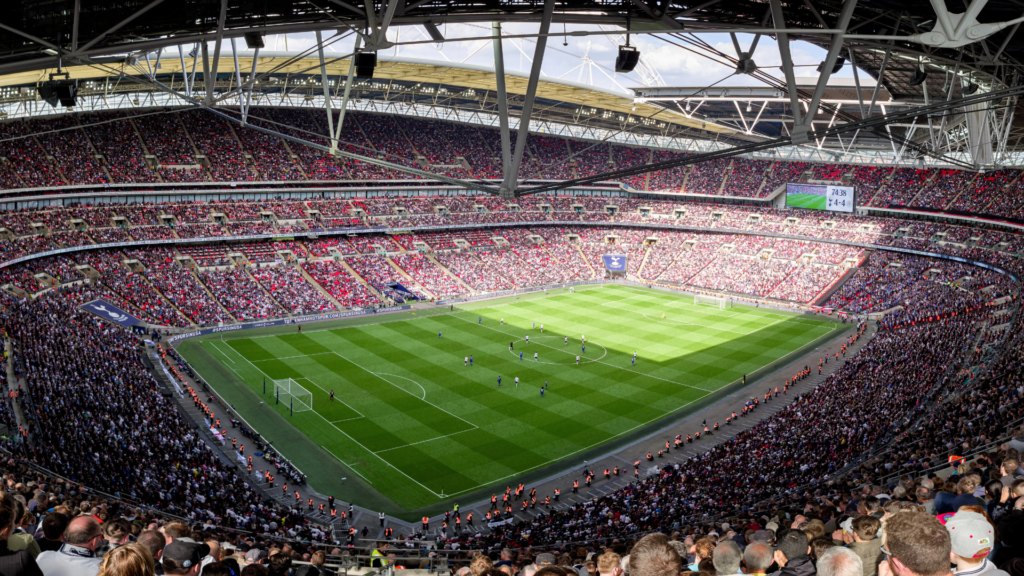
Wembley Stadium
Nearest Station: Wembley Park (Jubilee and Metropolitan lines)
Wembley Stadium stands as the crown jewel of English football. This 90,000-seat colosseum, with its distinctive arch visible across London, has been the stage for some of football’s greatest moments since its reopening in 2007.
Wembley hosts the FA Cup Final, English national team matches, and major concerts. Its predecessor on the same site, the original Wembley Stadium, was the venue for the 1966 World Cup Final. The new Wembley continues this legacy, having hosted the 2011 and 2013 UEFA Champions League Finals.
To reach Wembley, take the Jubilee or Metropolitan line to Wembley Park station. On event days, follow the crowd for the short walk to the stadium.
Emirates Stadium (Arsenal)
Nearest Station: Arsenal (Piccadilly line) or Holloway Road (Piccadilly line)
Home to Arsenal FC, the Emirates Stadium is a marvel of modern architecture. Opened in 2006, it seats over 60,000 fans and is known for its steep stands and excellent sightlines.
The stadium hosts Arsenal’s home games and occasional music concerts. Its construction marked a new era for the club, which previously played at the nearby Highbury Stadium for 93 years.
The easiest access is via Arsenal station on the Piccadilly line, just a few minutes’ walk from the stadium. Holloway Road station is also nearby but is exit-only on match days due to crowd control measures.
Stamford Bridge (Chelsea)
Nearest Station: Fulham Broadway (District line)
Stamford Bridge, home to Chelsea FC, blends history with contemporary design. The stadium has been Chelsea’s home since 1905 and has undergone several renovations, the most recent in the late 1990s.
With a capacity of about 40,000, Stamford Bridge is known for its intimate atmosphere and central London location. It’s one of the few top-flight stadiums situated in the heart of the capital.
To visit Stamford Bridge, take the District line to Fulham Broadway. The stadium is a short walk from the station, with clear signs guiding the way.
Historic Cricket Grounds

Lord’s Cricket Ground
Nearest Station: St. John’s Wood (Jubilee line)
Often called the “Home of Cricket,” Lord’s has been a pilgrimage site for cricket enthusiasts since 1814. Its iconic pavilion, with its famous Long Room, and sloping outfield are instantly recognizable to cricket fans worldwide.
Lord’s hosts Test matches, One Day Internationals, and is the home ground of Middlesex County Cricket Club. It also houses the world’s oldest sports museum, which contains the fabled Ashes urn.
To reach Lord’s, take the Jubilee line to St. John’s Wood station. The ground is about a 5-minute walk from the station.
The Oval
Nearest Station: Oval (Northern line)
The Oval, another storied venue, has hosted international cricket for over 140 years. It’s the home ground of Surrey County Cricket Club and is traditionally the venue for the final Test match of the English summer.
Known for its atmospheric test matches and innovative approach (it was the first ground to host international football and rugby matches), The Oval holds a special place in cricket history.
The ground is conveniently located directly opposite Oval station on the Northern line.
Tennis Venues

Wimbledon (All England Lawn Tennis and Croquet Club)
Nearest Station: Southfields (District line)
Wimbledon, home to the oldest tennis tournament in the world, is synonymous with prestige and tradition. Its meticulously maintained grass courts have seen the greatest players in history compete for glory since 1877.
The Championships, Wimbledon, held annually in late June and early July, is one of the four Grand Slam tennis tournaments and the only one still played on grass.
To visit Wimbledon, take the District line to Southfields station. From there, it’s a 15-minute walk or a short bus ride to the grounds. During The Championships, there’s also a shuttle service from the station.
Queen’s Club
Nearest Station: Barons Court (District and Piccadilly lines)
While less famous than Wimbledon, Queen’s Club is no less significant in the tennis world. It hosts the annual Queen’s Club Championships, a key warm-up tournament for Wimbledon.
Founded in 1886, Queen’s Club was the first multipurpose sports complex ever to be built, anywhere in the world. Today, it’s primarily known for its grass tennis courts.
To reach Queen’s Club, take either the District or Piccadilly line to Barons Court station. The club is about a 10-minute walk from the station.
Olympic Legacy

London Stadium
Nearest Station: Stratford (Central, Jubilee lines, DLR)
Originally built for the 2012 Olympics, the London Stadium has found new life as the home of West Ham United FC. Its transformative design allows it to host both football matches and athletics events.
The stadium was the centerpiece of the 2012 London Olympics, hosting the opening and closing ceremonies as well as the athletics events. Post-Olympics, it has been converted into a football stadium while retaining the ability to host major athletics competitions.
To visit, take the Central or Jubilee line, or the DLR, to Stratford station. The stadium is part of the Queen Elizabeth Olympic Park, a short walk from the station.
Lee Valley VeloPark
Nearest Station: Stratford (Central, Jubilee lines, DLR)
The Lee Valley VeloPark, with its distinctive curved roof, continues to inspire a new generation of cyclists. Built for the 2012 Olympics, it includes the velodrome for indoor track cycling and outdoor BMX, road, and mountain biking tracks.
The velodrome, nicknamed “The Pringle” due to its shape, hosted numerous world records during the Olympics and continues to be a world-class cycling venue.
Like the London Stadium, the VeloPark is easily accessible from Stratford station.
Rugby Stadiums

Twickenham Stadium
Nearest Station: Twickenham (National Rail from London Waterloo) Note: This is not an Underground station, but the closest rail station
Twickenham Stadium, the largest dedicated rugby union venue in the world, is a cathedral of rugby. With a capacity of 82,000, it’s the home of English rugby union and hosts national team matches, Premiership finals, and European Champions Cup finals.
Its museum and stadium tour offer insight into the sport’s rich history, making it a must-visit for rugby enthusiasts.
While not on the Underground network, Twickenham is easily accessible by taking a train from London Waterloo to Twickenham station. The stadium is a 10-15 minute walk from there.
The Stoop (Harlequins)
Nearest Station: Twickenham (National Rail from London Waterloo) Note: This is not an Underground station, but the closest rail station
The Stoop, home to Harlequins rugby club, provides a more intimate setting for rugby fans. Known for its electric atmosphere during matches, it has a capacity of about 14,800.
Located just across the road from Twickenham Stadium, The Stoop offers a chance to experience top-level club rugby in a cozier environment.
Like Twickenham Stadium, The Stoop is best reached by taking a train from London Waterloo to Twickenham station.
Multi-purpose Arenas
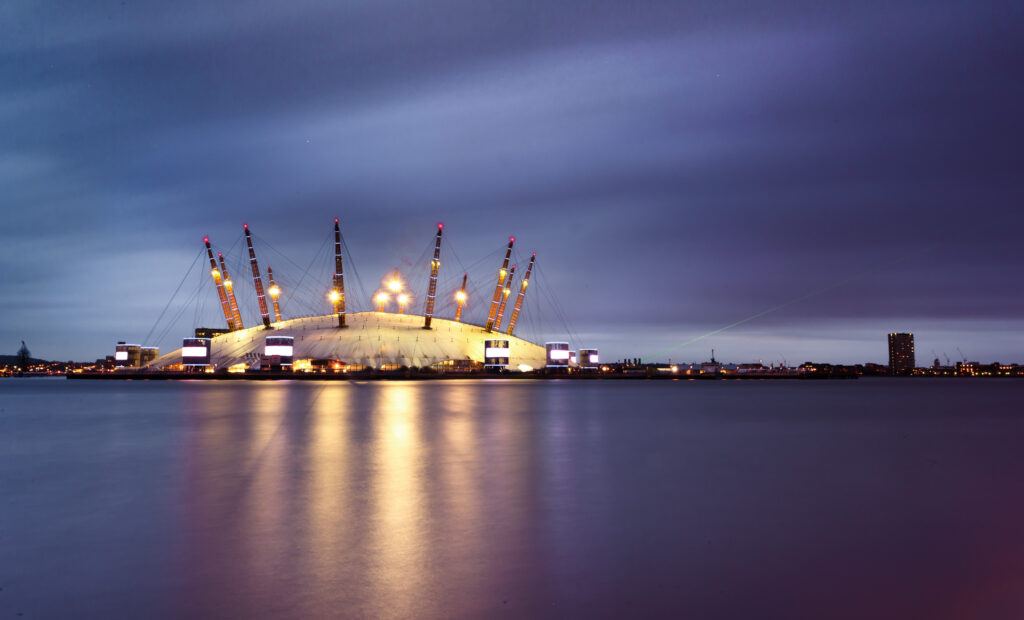
The O2 Arena
Nearest Station: North Greenwich (Jubilee line)
The O2 Arena, originally built as the Millennium Dome, has become one of the world’s busiest music arenas while also hosting major sporting events. From NBA games to world championship boxing and the ATP Finals in tennis, The O2 has established itself as a versatile venue.
Its distinctive dome shape makes it one of the most recognizable landmarks on the London skyline.
To visit The O2, take the Jubilee line to North Greenwich station. The arena is directly connected to the station.
Copper Box Arena
Nearest Station: Stratford (Central, Jubilee lines, DLR)
Another legacy of the 2012 Olympics, the Copper Box Arena now serves as a flexible space for various indoor sports and community events. During the Olympics, it hosted handball, modern pentathlon fencing, and goalball.
Now, it’s the home arena for the London Lions basketball team and regularly hosts a variety of sports and events.
Like other Olympic Park venues, the Copper Box Arena is easily reached from Stratford station.
More Than Just Venues
London’s sports grounds are more than just venues; they’re the beating heart of the city’s sporting life. Each has its own character, history, and devoted following. From the hallowed turf of Wembley to the pristine lawns of Wimbledon, these grounds have seen moments of triumph, heartbreak, and everything in between.
As London continues to evolve, so too do its sports grounds, with ongoing renovations and developments ensuring they remain world-class facilities. These grounds not only showcase athletic excellence but also embody the spirit of London itself – diverse, historic, and always looking to the future.
Whether you’re a sports enthusiast planning a pilgrimage or a curious visitor wanting to experience a slice of British culture, London’s sports grounds offer something for everyone. And with the city’s extensive Underground network, these iconic venues are more accessible than ever.
So grab your Oyster card, mind the gap, and embark on a sporting journey through one of the world’s greatest cities. The roar of the crowd awaits!
More from London By Tube: