The Complete Metropolitan Line Guide: Every Stop, What to Do, and How to Ride London’s Oldest Underground Line
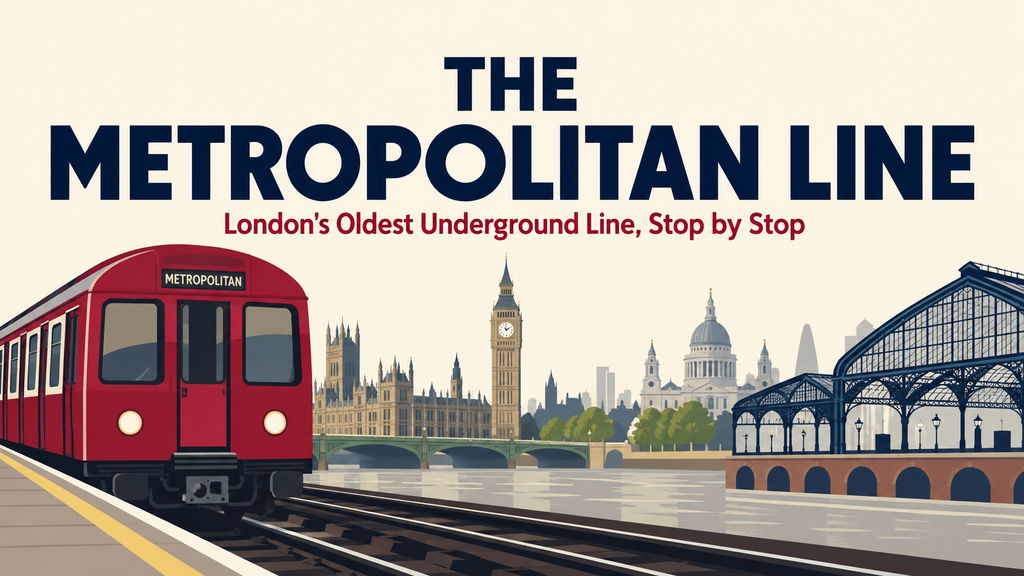
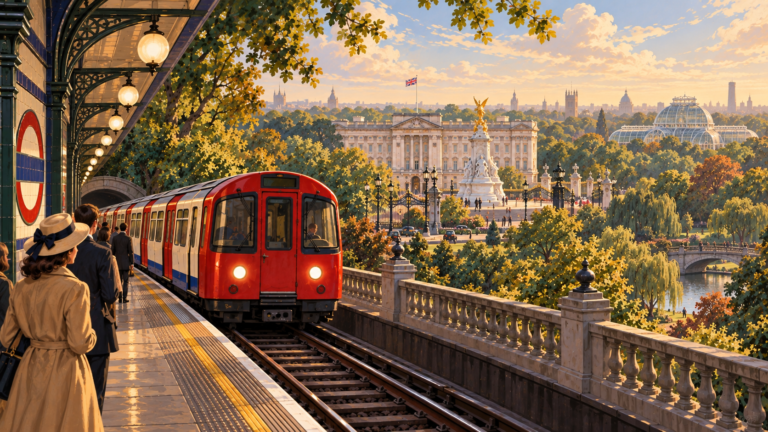
The Metropolitan line doesn’t get the same postcard treatment as the Central or the Piccadilly, and that’s exactly why it’s worth your time. This is the line that started it all — the world’s first underground railway — and it still does something no other Tube line does: it takes you from the glass towers of the City all the way out to the Chiltern Hills, with Sherlock Holmes, Platform 9¾, and Wembley Stadium along the way.
Here’s everything you need to ride it properly, stop by stop.
A Line With a 160-Year Head Start
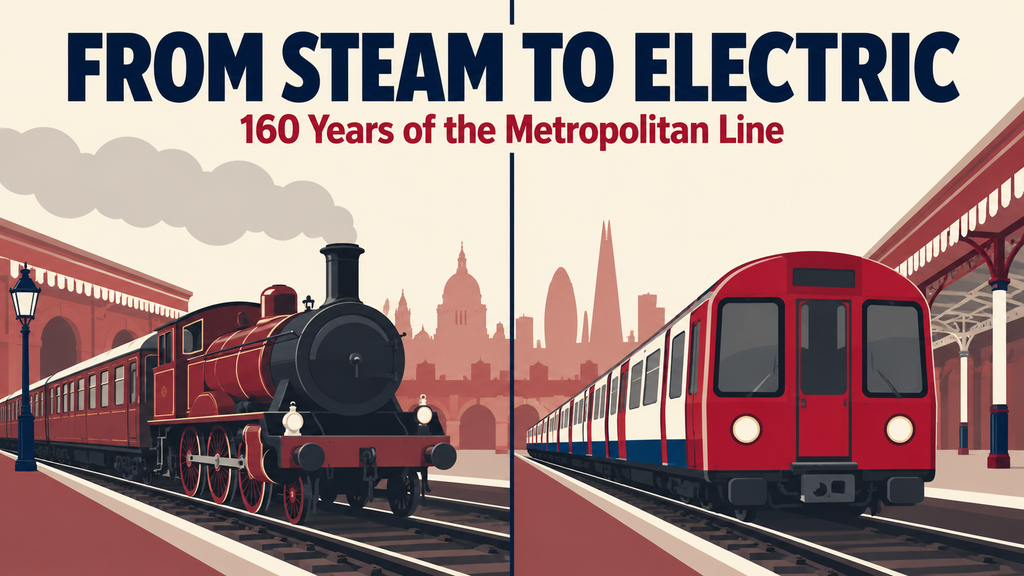
The Metropolitan Railway opened its first stretch between Paddington and Farringdon on 10 January 1863, built to relieve chronically congested streets above ground. It was steam-hauled at first — smoky, dark, and by most accounts fairly miserable to ride — before electrification arrived in the early 1900s and transformed it into something closer to the line you’ll ride today.
What makes the Met genuinely unusual is its shape. Rather than a single tidy route, it fans out into branches once you clear the centre: some trains head to Amersham and Chesham deep into Buckinghamshire, others to Watford, others to Uxbridge. It’s a sub-surface line — running just below street level rather than in deep tunnels — which is why the trains are wider and airier than the deep-tube stock you’ll find on lines like the Northern or Bakerloo.
That size and reach is the whole story of the Met: it’s less a way of getting around central London and more a way of getting out of it, into some of the prettiest commuter countryside the capital touches.
Stop by Stop: What to See on the Metropolitan Line
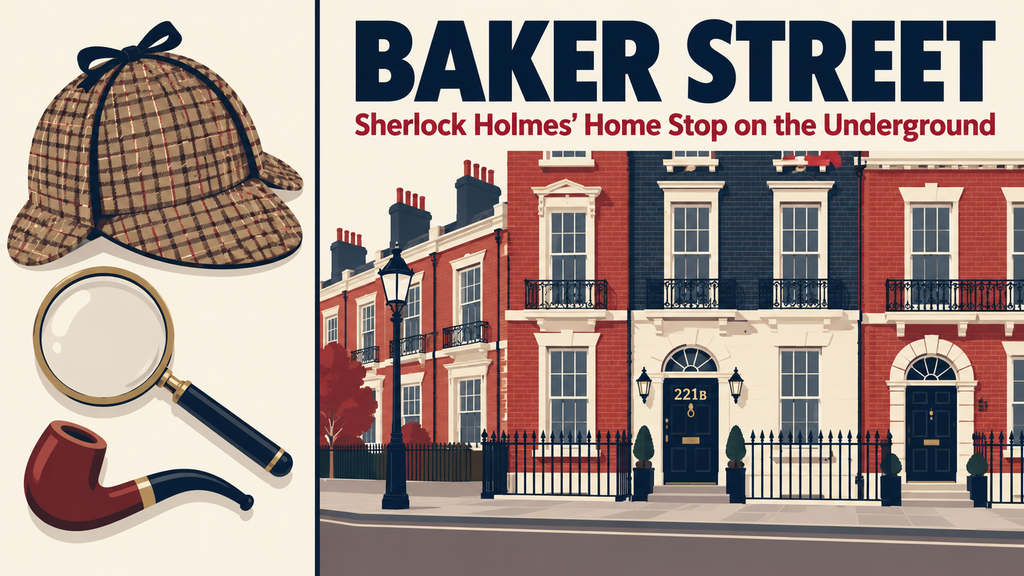
Baker Street — the line’s most famous stop, and deservedly so. This is Sherlock Holmes territory: a statue of the detective stands outside the station, and the Sherlock Holmes Museum sits a few doors down at the (fictional) 221B address. Baker Street is also one of the original 1863 stations, and parts of its platforms still have a distinctly Victorian feel if you know where to look.
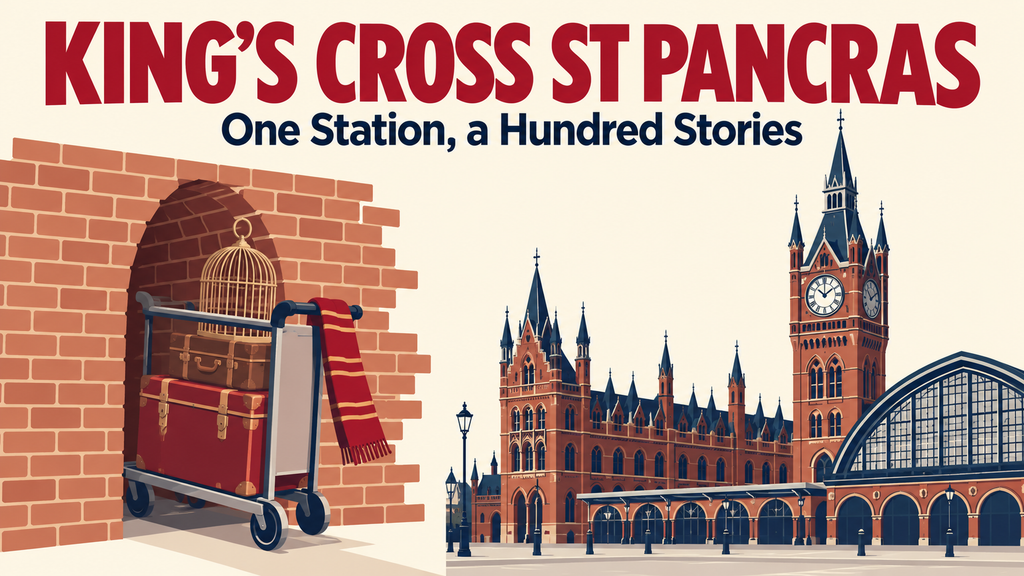
King’s Cross St Pancras — a major interchange and one of London’s most transformed neighbourhoods. Harry Potter fans queue for photos at the Platform 9¾ trolley inside King’s Cross station, while St Pancras next door is the terminus for Eurostar services to Paris and Brussels. Worth an hour even if you’re just passing through.
King’s Cross & St Pancras by Tube: The Complete Local Guide
Farringdon — increasingly one of the best-connected stations in London since the Elizabeth line arrived, and a good base for exploring Clerkenwell’s food and design scene.
Wembley Park — home to Wembley Stadium and the OVO Arena, and the obvious stop for match days, concerts, or simply photographing the stadium’s arch.
Harrow-on-the-Hill — a leafy, hilltop station near Harrow School, with genuinely good skyline views back towards central London on a clear day. A nice detour for anyone interested in London’s outer villages.
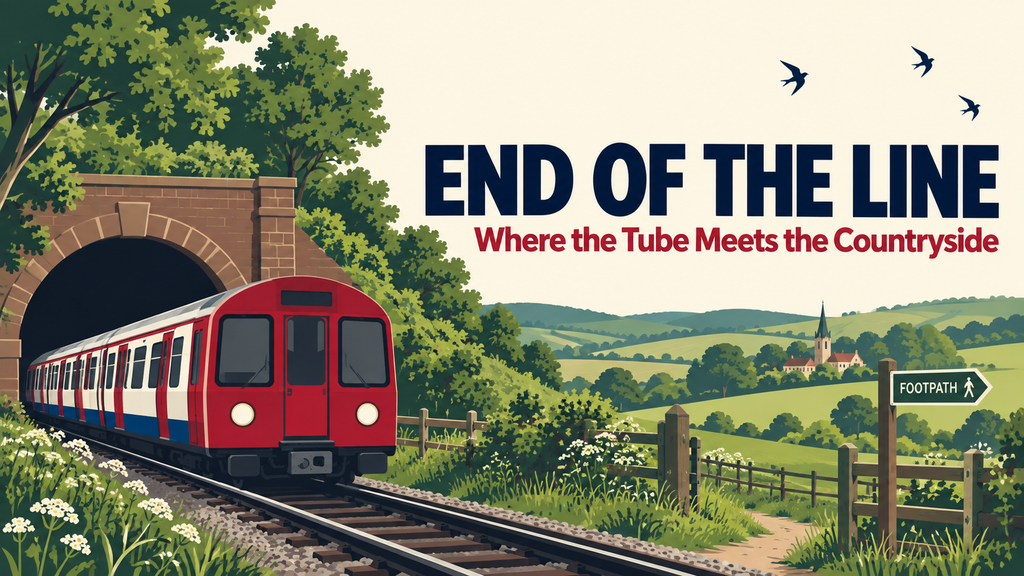
Amersham and Chesham — the end of the line, and a different world entirely. Chesham is the furthest station from central London on the whole Underground network, and both stops open onto proper Chiltern countryside, with waymarked walking trails starting more or less from the platform. This is the Met line’s best-kept secret for anyone who wants to say they’ve “done London” and then disappear into a beech wood for the afternoon.
Practical Tips for Riding the Met
- Zones and fares: the Met line spans an unusually wide range of fare zones, from Zone 1 all the way out to Zone 9 at Chesham — so check your fare or daily cap before you travel if you’re heading out to the far branches.The Complete Guide to London’s Tube Zones, Fares & Oyster Card
- Oyster vs contactless: for the outer branches especially, it’s worth knowing which payment method actually works out cheaper.
- Step-free access: several Met line stations, including Baker Street and King’s Cross, have step-free routes — useful to know if you’re travelling with a buggy or have mobility needs.
- Branch confusion: because the Met splits into several branches beyond Harrow-on-the-Hill, always check the destination board before boarding — not every Met line train goes all the way to Amersham or Chesham.
Why the Metropolitan Line Is Worth Planning Around
Most visitors treat the Met as a way to get between two other, more famous stations. But ridden end to end — or even just out as far as Harrow-on-the-Hill — it’s one of the few Tube lines that shows you London actually thinning out into countryside, which is a genuinely different experience from anything the Central or Victoria lines can offer.